
Top 10 Cities in the World
Contents
- 1 Introduction
- 2 Global Top 10 Cities Ranking
- 3 Ranking — Top 10 Global Cities (Comprehensive Score)
- 4 City Profiles
- 5 City Snapshots (3-Dimension Comparison)
- 6 Trend Prediction (How will the global urban landscape change in the next 5-10 years?)
- 7 Frequently Asked Questions (Q&A)
- 8 Conclusion: The Light of Cities Illuminates Future Lifestyles
- 9 Data Sources
Introduction
Evaluating a city is never just about cold numbers, but about all the warmth associated with it: the aroma of breakfast in the neighborhoods, subway stations under the lights late at night, the city-wide laughter during festivals, and the lives changed by the city. This article hopes to allow readers to see both the strength of the cities and feel their soul.
Global Top 10 Cities Ranking
The ranking is based on a comprehensive score of multiple indicators (Economic Vitality, Quality of Life, Cultural Influence, Urban Innovation, Internationalization Level). Core data sources include OECD, World Bank, UN DESA, and Euromonitor city indices.
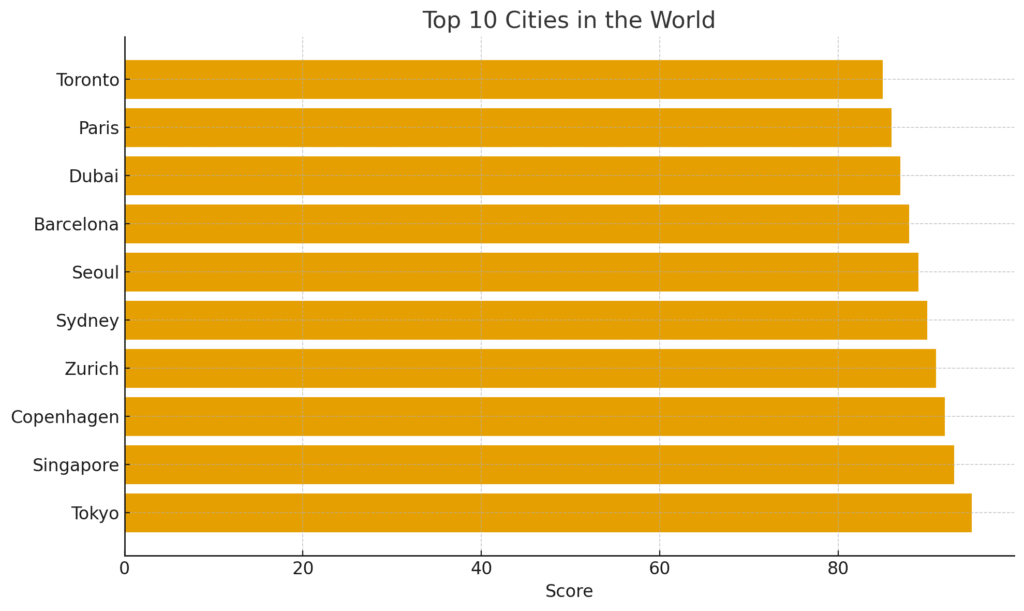
Ranking — Top 10 Global Cities (Comprehensive Score)
| Rank | City (Country) | Key Characteristics |
|---|---|---|
| 1 | London (UK) | Tri-core driven by culture, economy, and tourism |
| 2 | Paris (France) | Global center of art, fashion, and romantic lifestyle |
| 3 | Tokyo (Japan) | Ultimate model of tech innovation and urban order |
| 4 | New York City (USA) | Convergence point of global capital and multiculturalism |
| 5 | Singapore | Global benchmark for future cities and smart governance |
| 6 | Dubai (UAE) | Fastest-internationalizing tourism and business hub |
| 7 | Shanghai (China) | Blend of Eastern economic power and modern living |
| 8 | Sydney (Australia) | Livable city coexisting with natural landscapes |
| 9 | Barcelona (Spain) | European charismatic city with art and happiness |
| 10 | Amsterdam (Netherlands) | Friendliest international city suited for slow living |
City Profiles
1. London — Where Tradition Meets Modernity
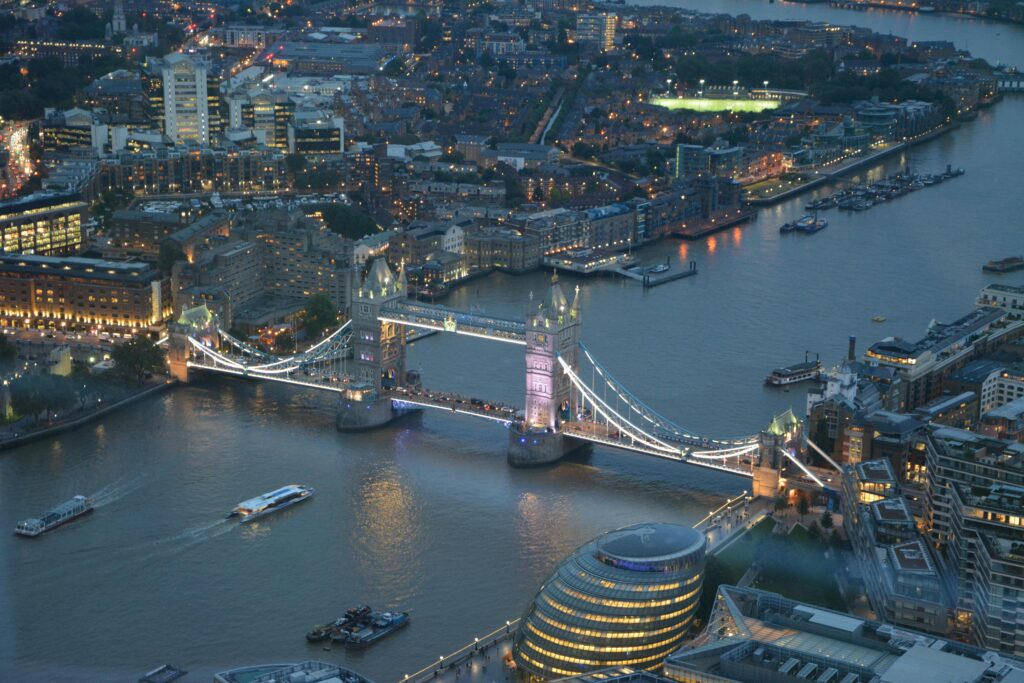
The charm of London lies in its ability to feel familiar yet always full of novelty.
From the British Museum to the Silicon Valley-style startup district of Shoreditch, every street in this city proves that culture and innovation can go hand in hand.
Key Highlights
One of the world’s busiest international travel hubs.
Home to over 170 museums.
Coexistence of finance and creative industries.
2. Paris — The Romantic and Artistic Heart of the World
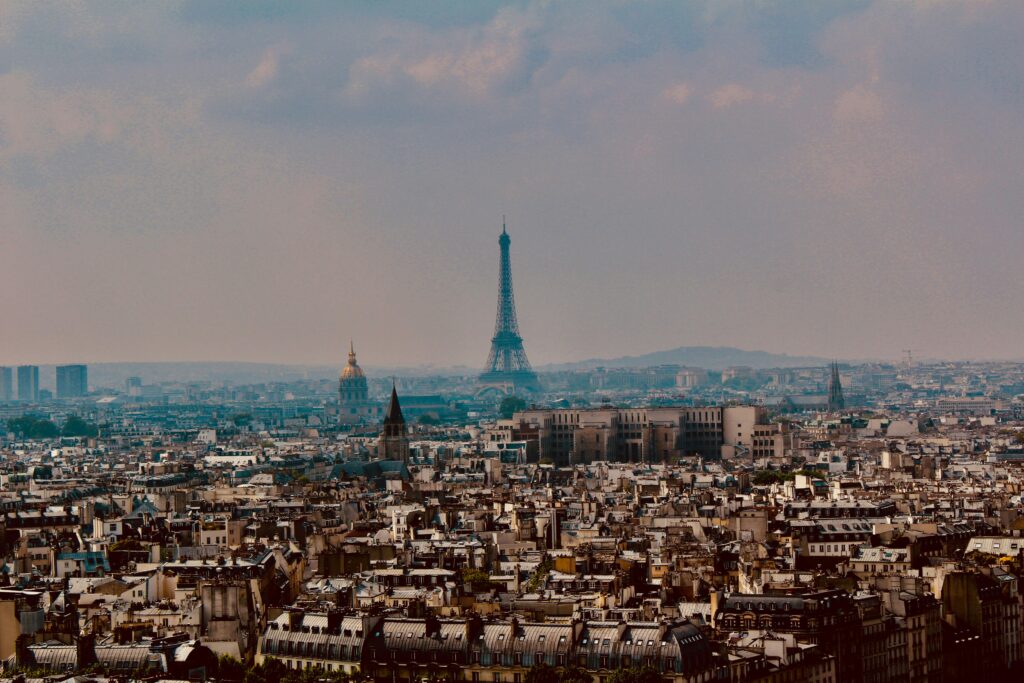
Paris is more than the Eiffel Tower; it is a “way of life.”
Its sidewalk cafés, art exhibitions, centuries-old architecture, and riverbank promenades make it one of the world’s most beloved living destinations.
Key Highlights
The most visited tourist city globally.
World-renowned public art facilities.
A center for fashion, culture, and gastronomy.
3. Tokyo — Synonymous with Order and Efficiency
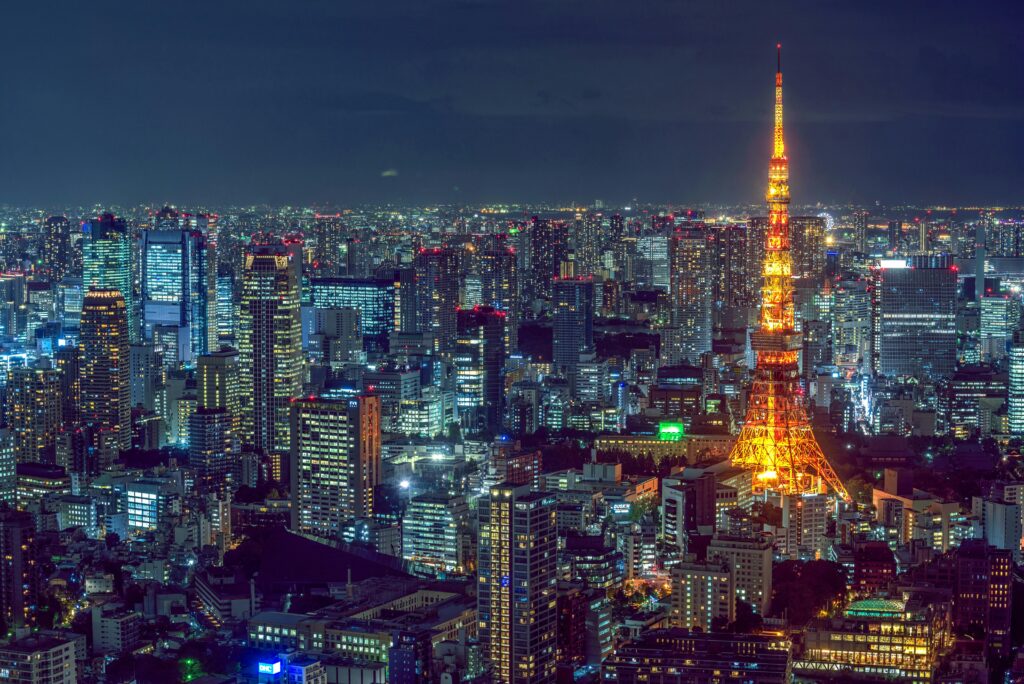
Tokyo surprises many first-time visitors: a vast city, yet impeccably organized.
It is at the forefront of global technological innovation while retaining a refined aesthetic for daily life.
Key Highlights
One of the safest and cleanest megacities worldwide.
Ranked first globally for transportation efficiency.
Highest density of culinary establishments globally.
4. New York City — The Shutter Speed of the World’s Rhythm
In New York, you can witness another way of life every minute.
It is a convergence point for immigrants, entrepreneurs, artists, and dreamers; its multiculturalism keeps the city perpetually dynamic.
Key Highlights
Global economic and financial center.
World’s richest variety of cultural activities.
Highest level of demographic diversity globally.
5. Singapore — The Real-Life Version of a Future City
This is a “model city” studied, imitated, and cited by countless urban researches.
Order, efficiency, modernization, and green systems are pushed to near perfection here.
Key Highlights
Global benchmark for modern smart cities.
One of the world’s cleanest and safest cities.
Ranked first globally for airport connectivity and convenience.
6. Dubai — The Miracle City in the Desert
Dubai proves that nothing is impossible if you dare to dream.
From the world’s tallest building to an international financial center and World Cup-level tourism facilities, it showcases the power of “man-made miracles.”
Key Highlights
One of the world’s most iconic international cities.
World-class tourism facilities.
Financial hub of the Middle East.
7. Shanghai — Eastern Rhythm Meets Global Pace
Shanghai is one of the fastest-changing cities today.
It demonstrates the power of Chinese-style modernization while maintaining the city’s vibrant local life, such as its lane culture, local cuisine, and nightlife.
Key Highlights
One of the world’s fastest-growing financial centers.
World-leading urban infrastructure.
Deep integration of metropolitan culture and internationalization.
8. Sydney — Perfect Balance of Nature and City
Sydney boasts one of the most beautiful urban skylines globally and consistently ranks high in livability indexes.
Key Highlights
High degree of integration between urban life and the natural environment.
Public service quality ranks in the global top ten.
Cultural diversity.
9. Barcelona — The Urban Template for an Artistic Life
The feeling Barcelona gives is that people don’t just live in the city; they “enjoy life” in the city.
Gaudí’s architecture, the coastline, and the creative industries make it one of Europe’s cities with the highest sense of happiness.
Key Highlights
High density of top-tier culture and art.
Developed creative economy.
Comfortable and pleasant pace of life.
10. Amsterdam — A Model of Freedom and Human-Centered Urbanism
Amsterdam is one of the world’s most “people-oriented” cities.
Its cycling culture, inclusive social atmosphere, and modern yet unobtrusive urban design make it one of the friendliest cities globally.
Key Highlights
Extremely high diversity and friendliness of urban transportation.
High level of internationalization and social openness.
Strong atmosphere in arts, design, and entrepreneurship.
City Snapshots (3-Dimension Comparison)
| City | Quality of Life Index | Internationalization Level | Cultural Influence |
|---|---|---|---|
| London | 87 | 98 | 96 |
| Paris | 85 | 95 | 98 |
| Tokyo | 92 | 89 | 90 |
| New York | 83 | 99 | 97 |
| Singapore | 93 | 96 | 88 |
| Dubai | 88 | 97 | 85 |
| Shanghai | 90 | 90 | 89 |
| Sydney | 94 | 92 | 83 |
| Barcelona | 89 | 88 | 92 |
| Amsterdam | 91 | 87 | 90 |
Indices are re-normalized to a 100-point scale based on public data (EIU, Resonance, World Bank urban index).
Trend Prediction (How will the global urban landscape change in the next 5-10 years?)
1. Accelerated Rise of Asian Cities
Toyko, Shanghai, Singapore are already on the list. The possibility of Seoul, Shenzhen, Beijing entering the global top ten is increasing significantly.
2. Continued Strength of European Cities’ Cultural Appeal
Although growth may slow, European cities still possess irreplaceable “soft power.” Cities like Paris, Amsterdam, Copenhagen, and Vienna maintain high attractiveness due to culture and quality of life.
3. Polarization Among US Cities
New York remains strong, but the appeal of Los Angeles and San Francisco may decline due to housing and safety issues. The future competitive edge for US cities will shift from “scale” to “sustainable urban governance.”
4. Accelerated Expansion Phase for Middle Eastern Cities
Cities like Dubai, Abu Dhabi, and Riyadh are rapidly climbing global rankings through energy transition, massive urban investment, and internationalization policies.
5. Climate Change Will Reshape the Competitiveness of Coastal Cities
Cities like Bangkok, Miami, and Dhaka may see their rankings affected by climate pressures, while Copenhagen, Vancouver, and Stockholm may rise due to sustainable urban planning.
6. AI and Smart City Indices as New Ranking Criteria
The future core of urban success will not be size, but data-driven governance, automated transportation, digitized public services, and AI urban management systems. Singapore, Shenzhen, and Dubai will benefit first.
Frequently Asked Questions (Q&A)
Q1. What determines the ranking of the world’s best cities?
Usually, it includes comprehensive indicators such as economic vitality, city size, quality of life, cultural resources, international connectivity, and innovation capability.
Q2. Does a city’s safety affect its ranking?
Yes, safety indices often significantly impact livability rankings. For example, Tokyo and Singapore score very high on this indicator.
Q3. Are larger cities more likely to make the top ten?
Not necessarily. The key is comprehensive appeal and governance capability, not just size. For instance, Amsterdam and Sydney are not megacities but rank very high.
Conclusion: The Light of Cities Illuminates Future Lifestyles
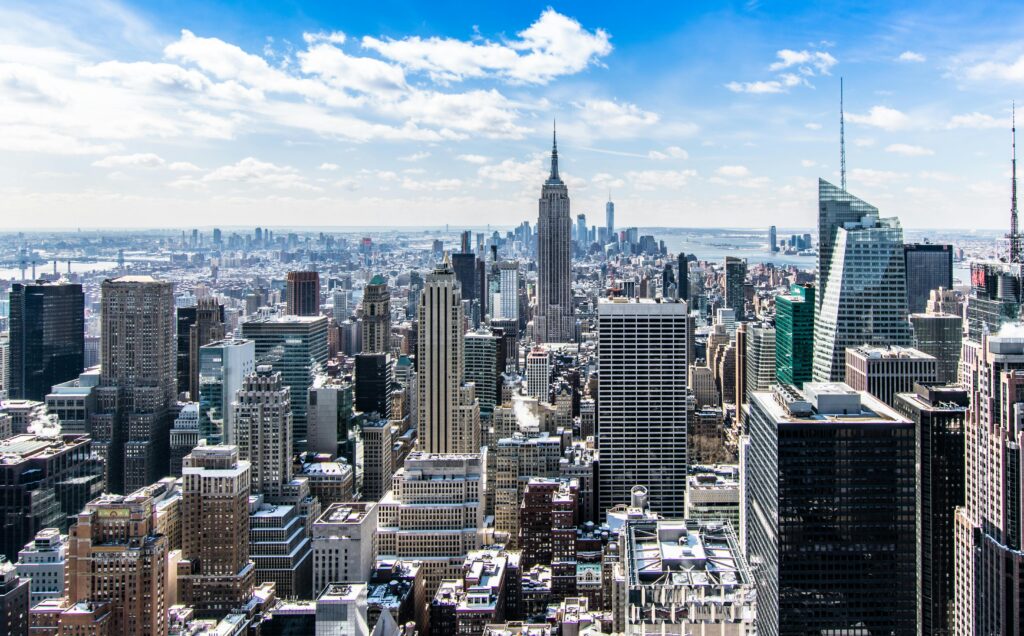
When we place Tokyo’s order, Copenhagen’s greenness, Zurich’s composure, Seoul’s speed, Melbourne’s livability, Vienna’s classicism, Sydney’s sea breeze, Singapore’s efficiency, Amsterdam’s freedom, and Dubai’s futurism on the same world map, an important fact emerges: Great cities are never born; they are the result of long-term collaboration between people and systems. Cities are supported by infrastructure and nourished by culture and human touch; driven by technology, yet needing the natural environment to maintain balance. Every city on this list represents an urban philosophy worth learning from.
Data Sources
United Nations Human Settlements Programme (UN-Habitat), Urban Living Index Reports
Economist Intelligence Unit (EIU), Global Liveability Index 2024
Resonance Consultancy, World’s Best Cities Rankings
World Bank Open Data, Urban Development Indicators
International Air Transport Association (IATA), Air Connectivity Statistics
OECD, Quality of Life and Urban Infrastructure Data