
Top 10 Cities with most Skyscrapers in the World
Contents
- 1 Introduction: Skyscrapers Redefining the Urban Skyline
- 2 Global Top 10 Cities by Number of Skyscrapers (Brief Ranking)
- 3 City Snapshots: A Comparison of the Top 10
- 4 Why Have These Cities Grown So Tall?
- 5 Data Explanation
- 6 Frequently Asked Questions (QA)
- 7 Trend Prediction: Where Are Future “Vertical Cities” Heading?
- 8 Conclusion
Introduction: Skyscrapers Redefining the Urban Skyline
As cities continue to grow upwards, skyscrapers are not merely collections of steel and concrete; they are symbols of economic vitality, land-use efficiency, and urban ambition. From Asia to the Middle East to North America, city skylines globally are being reshaped at an unprecedented pace. Based on authoritative data from sources like the Council on Tall Buildings and Urban Habitat (CTBUH), this article compiles a list of the top 10 cities with the most skyscrapers in the world. It combines analysis of economic factors, urban development, and residential functions to help you understand why these “vertical cities” stand out.
Global Top 10 Cities by Number of Skyscrapers (Brief Ranking)
Statistical Scope Explanation
The term “skyscraper” in this article uniformly refers to completed buildings with a height ≥150 meters (≥492 feet).
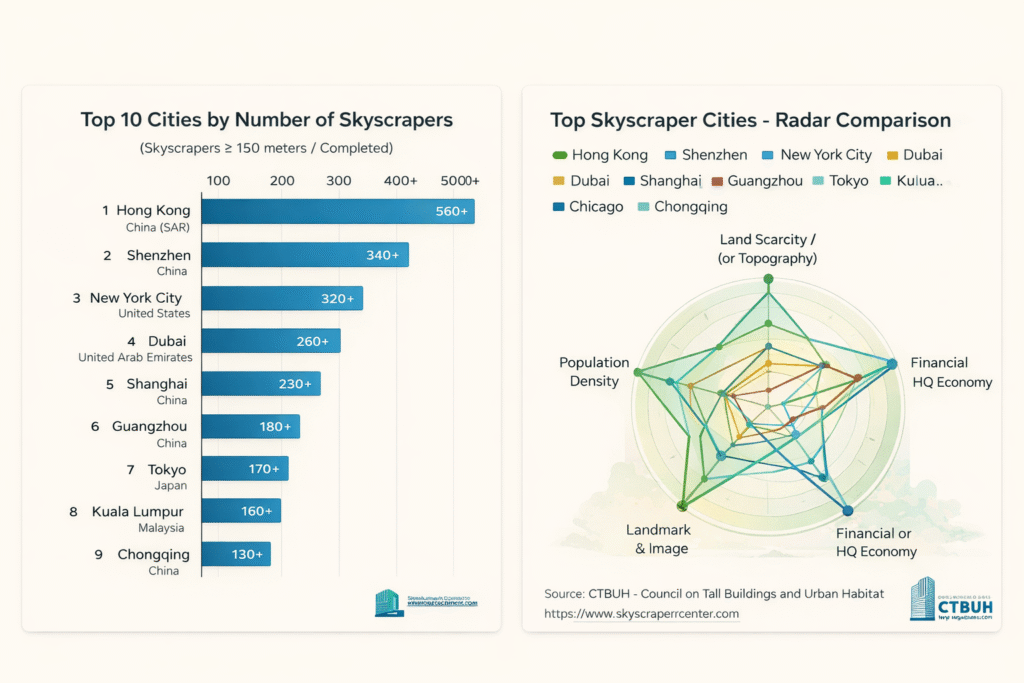
| Rank | City | Country / Region | Skyscrapers (≥150m) |
|---|---|---|---|
| 1 | Hong Kong | China (SAR) | 560+ |
| 2 | Shenzhen | China | 340+ |
| 3 | New York City | United States | 320+ |
| 4 | Dubai | United Arab Emirates | 260+ |
| 5 | Shanghai | China | 230+ |
| 6 | Guangzhou | China | 180+ |
| 7 | Tokyo | Japan | 170+ |
| 8 | Kuala Lumpur | Malaysia | 160+ |
| 9 | Chicago | United States | 140+ |
| 10 | Chongqing | China | 130+ |
City Snapshots: A Comparison of the Top 10
1. Hong Kong
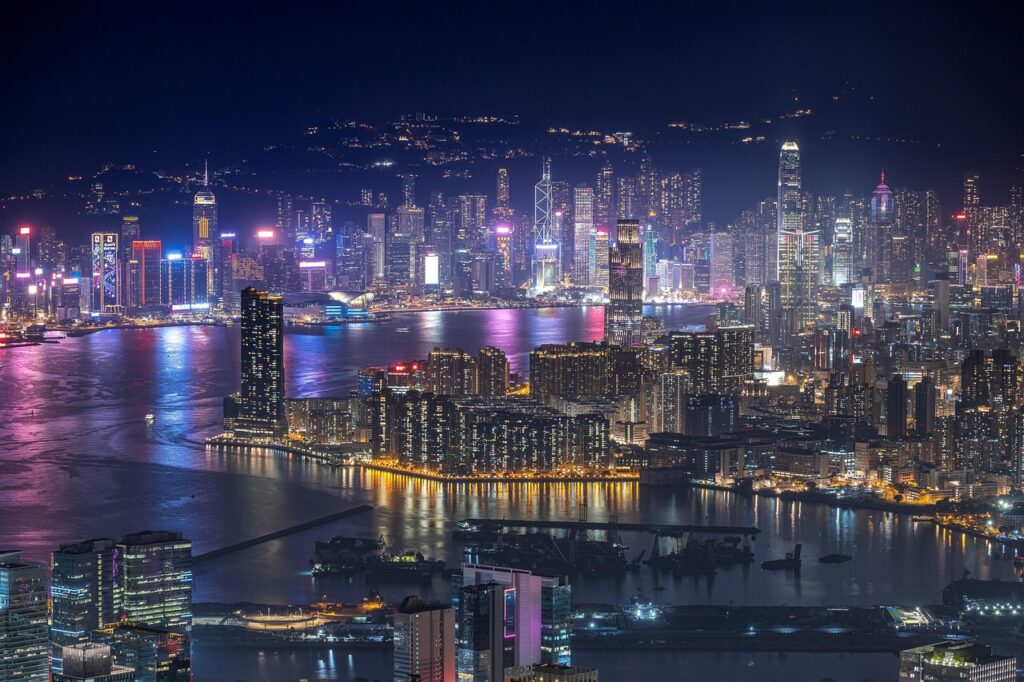
Skyscrapers: Ranked first globally.
Urban Characteristics: Extreme land scarcity + high-density vertical development.
Iconic Building: International Commerce Centre (ICC).
2. Shenzhen
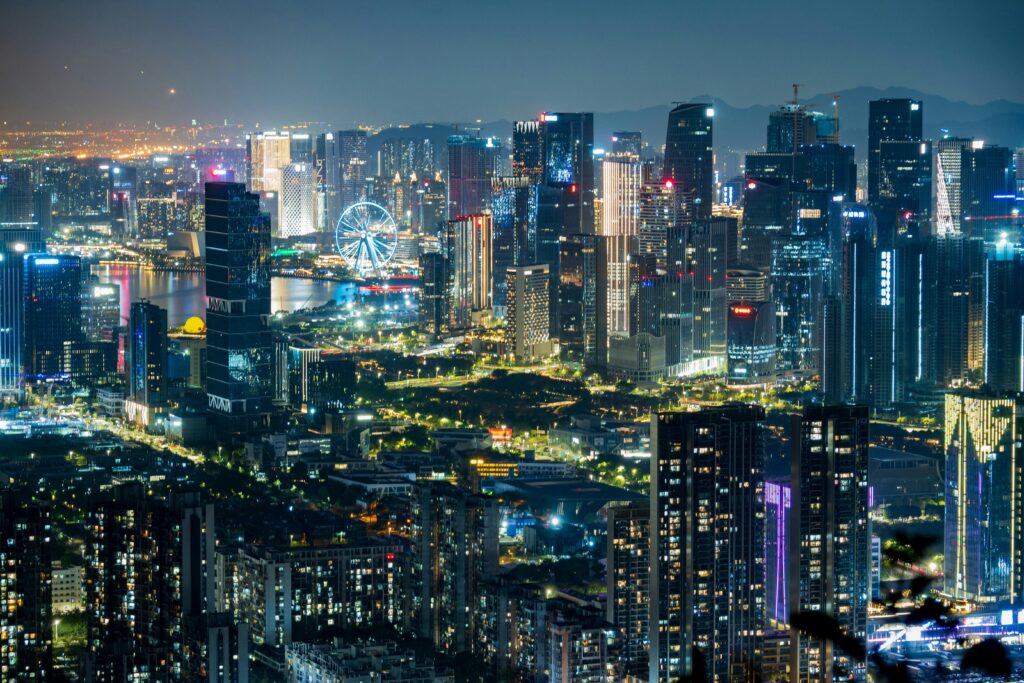
Skyscrapers: Fastest growth rate globally.
Urban Characteristics: A new first-tier city driven by the tech industry.
Iconic Building: Ping An Finance Centre.
3. New York City
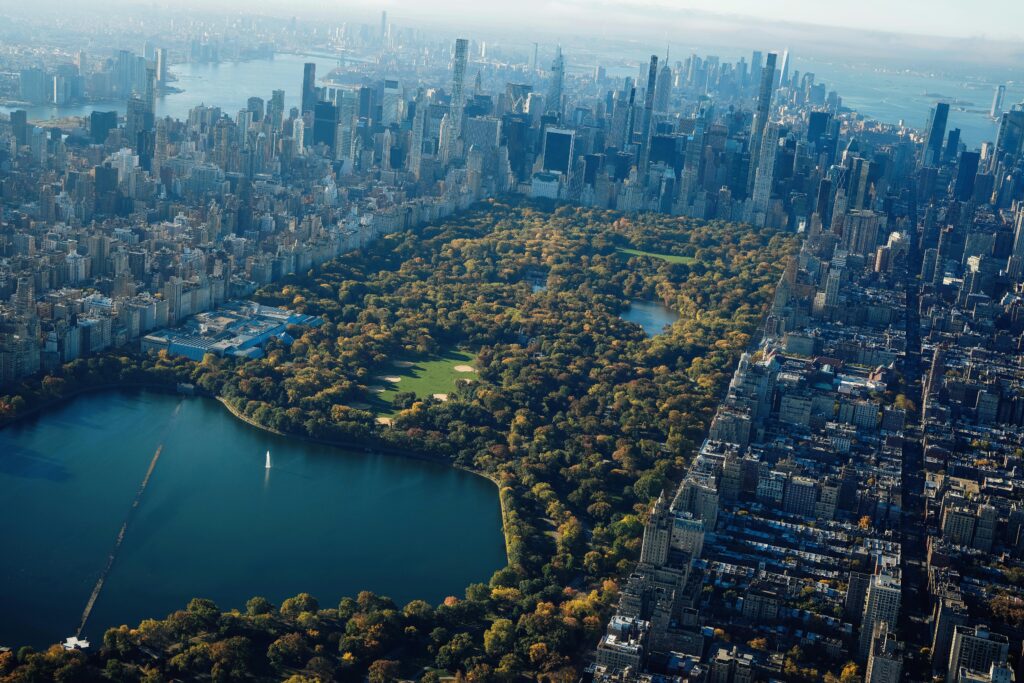
Skyscrapers: The world’s most mature skyscraper ecosystem.
Urban Characteristics: Financial and commercial hub.
Iconic Building: One World Trade Center.
4. Dubai
Skyscrapers: Record-holder for height.
Urban Characteristics: Concentrated landmark supertall buildings.
Iconic Building: Burj Khalifa.
5. Shanghai
Skyscrapers: Parallel development of finance and headquarters economy.
Urban Characteristics: Highly clustered CBD.
Iconic Building: Shanghai Tower.
6. Guangzhou
Skyscrapers: Core of the Pearl River Delta.
Urban Characteristics: Business and convention city.
Iconic Building: Canton Tower (Broadcasting Tower).
7. Tokyo
Skyscrapers: Constrained by seismic regulations.
Urban Characteristics: Height-controlled but functionally dense.
Iconic Building: Tokyo Midtown Tower.
8. Kuala Lumpur
Skyscrapers: Representative of Southeast Asia.
Urban Characteristics: Finance + landmark economy.
Iconic Building: Petronas Twin Towers.
9. Chicago
Skyscrapers: Birthplace of the skyscraper.
Urban Characteristics: Capital of architectural design.
Iconic Building: Willis Tower.
10. Chongqing
Skyscrapers: A three-dimensional mountain city.
Urban Characteristics: Complex terrain necessitating vertical development.
Iconic Building: Raffles City Chongqing.
Why Have These Cities Grown So Tall?
Land Scarcity or Topographic Constraints: Forced to develop upwards.
Strong Finance or Headquarters Economy: High-density office space demand.
Highly Concentrated Population: Vertical living becomes a necessity.
Urban Image Competition: The symbolic significance of landmark supertall buildings.
Data Explanation
Skyscraper Definition: Buildings ≥150 meters in height.
Status Included: Completed buildings only.
Excluded: Topped-out, under construction, or proposed buildings.
City Scope: Metropolitan area where applicable.
Frequently Asked Questions (QA)
Q1: Which city has the most skyscrapers?
A1: Hong Kong currently has the most skyscrapers of any city in the world.
Q2: Why are there so many Chinese cities on the list?
A2: Rapid urbanization, high population density, and concentrated development of new urban districts are the core reasons.
Q3: Do more skyscrapers mean a more developed city?
A3: Not entirely. Skyscrapers are one result of economic vitality, but not the only indicator.
Q4: Why are European cities rarely on the list?
A4: Primarily due to historical preservation, planning regulations, and urban scale limitations.
Q5: Which cities might break into the top ten in the future?
A5: Singapore, Bangkok, and Jeddah have potential.
Trend Prediction: Where Are Future “Vertical Cities” Heading?
The future development of skyscrapers will show three major trends:
From “Taller” to “More Composite”: Integrating offices, residences, and public spaces.
Greater Emphasis on Green and Energy-Efficient Design: Sustainable architecture.
More Supertall Buildings in Emerging Economies: Continued growth outside traditional hubs.
Conclusion
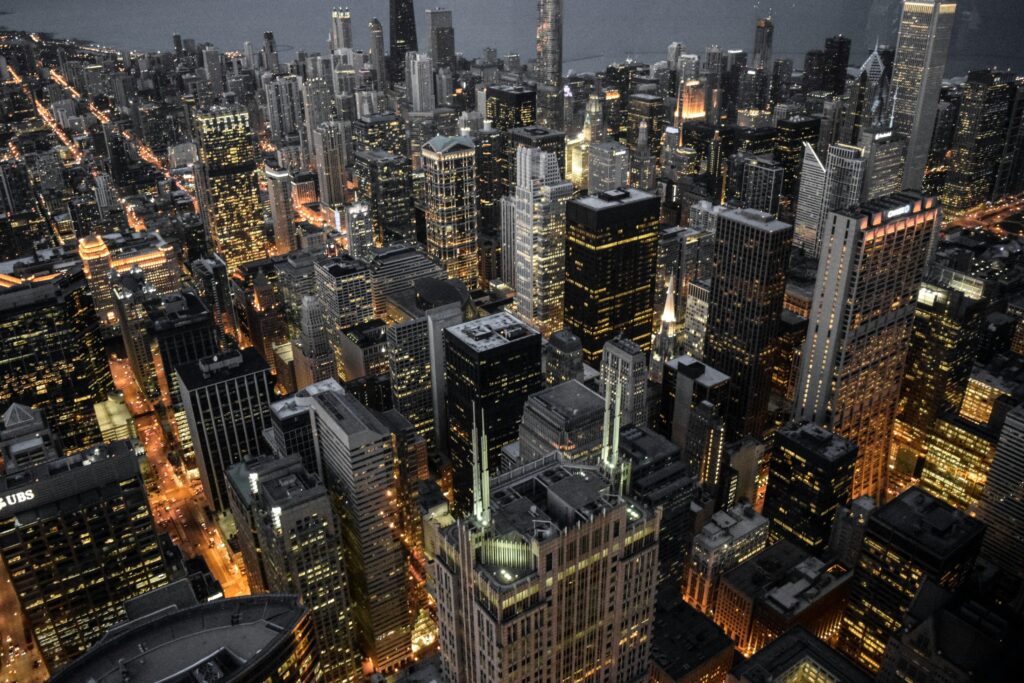
Skyscrapers not only shape a city’s skyline but also reflect the underlying logic of its demographic structure, economic model, and urban strategy. From Hong Kong’s high-density vertical city to Dubai’s landmark supertalls and the rapid rise of Chinese city clusters, these “vertical cities” collectively depict the future landscape of global urbanization. Behind the height lies the convergence of efficiency, ambition, and the choices of an era.