
Top 10 Cleanest Cities in the World
Contents
Introduction
A “clean” city is not just about visible surfaces and air; it is a comprehensive reflection of governance capacity, public services, and citizen behavior. Measuring “cleanliness” requires combining air quality, waste management, public space maintenance, and civic literacy. After synthesizing multiple authoritative rankings and sources, this article presents a Top 10 view of clean cities that balances data and narrative.
Data Explanation
Scope and Methodology
This article focuses on “city-level” environmental and cleanliness composite indicators (air PM2.5, waste governance, street cleaning, green space coverage, and public perception). As different rankings emphasize different aspects (e.g., IQAir focuses on air quality, Numbeo on resident perception), this article uses a consensus list derived from cross-referencing multiple sources, with the original sources listed at the end for verification.
Brief Ranking
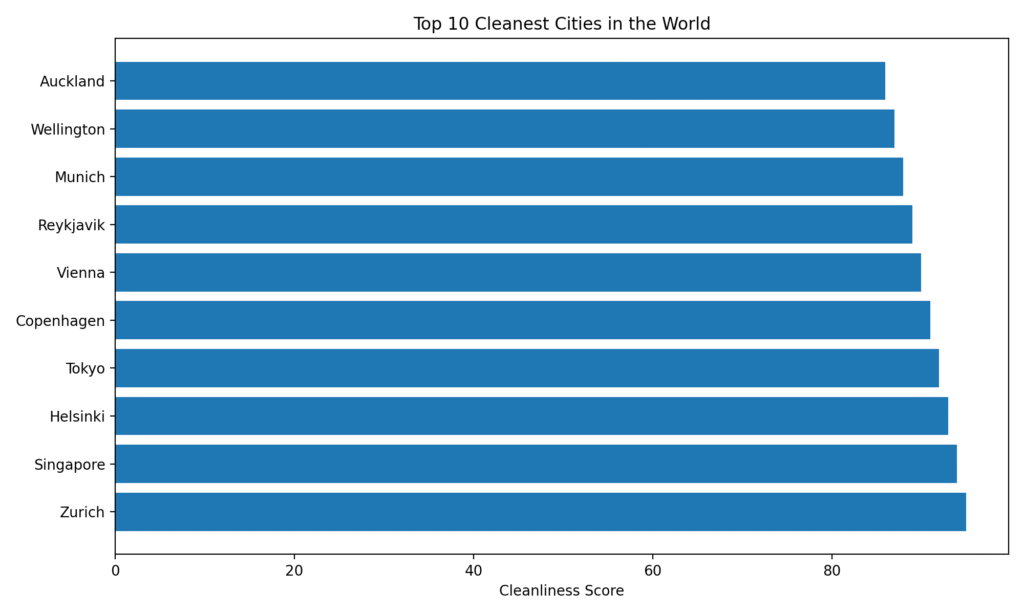
- Zurich, Switzerland
- Singapore
- Helsinki, Finland
- Tokyo, Japan
- Copenhagen, Denmark
- Vienna, Austria
- Reykjavik, Iceland
- Munich, Germany
- Wellington, New Zealand
- Auckland, New Zealand
Snapshot of the Top 10 Cities
1. Zurich, Switzerland
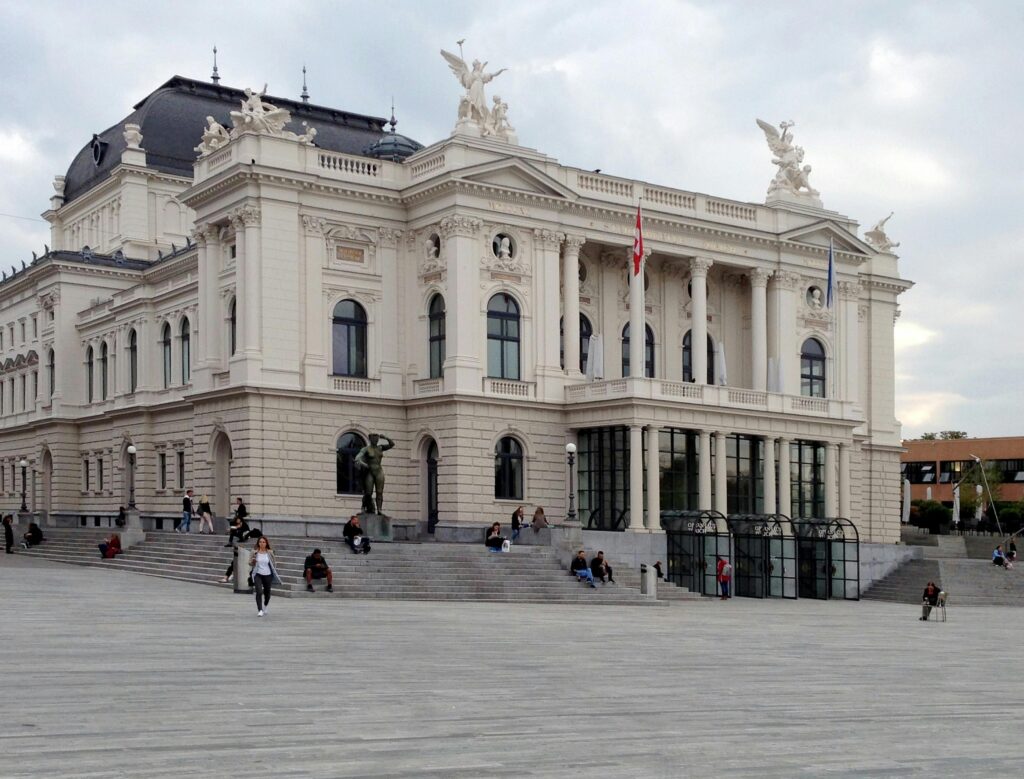
Air & Environment: Lakes and urban green belts, low pollution levels.
Waste & Street Cleanliness: High-frequency cleaning and a mature recycling system.
Public Services & Citizen Behavior: Strong citizen environmental awareness, efficient city maintenance mechanisms.
2. Singapore
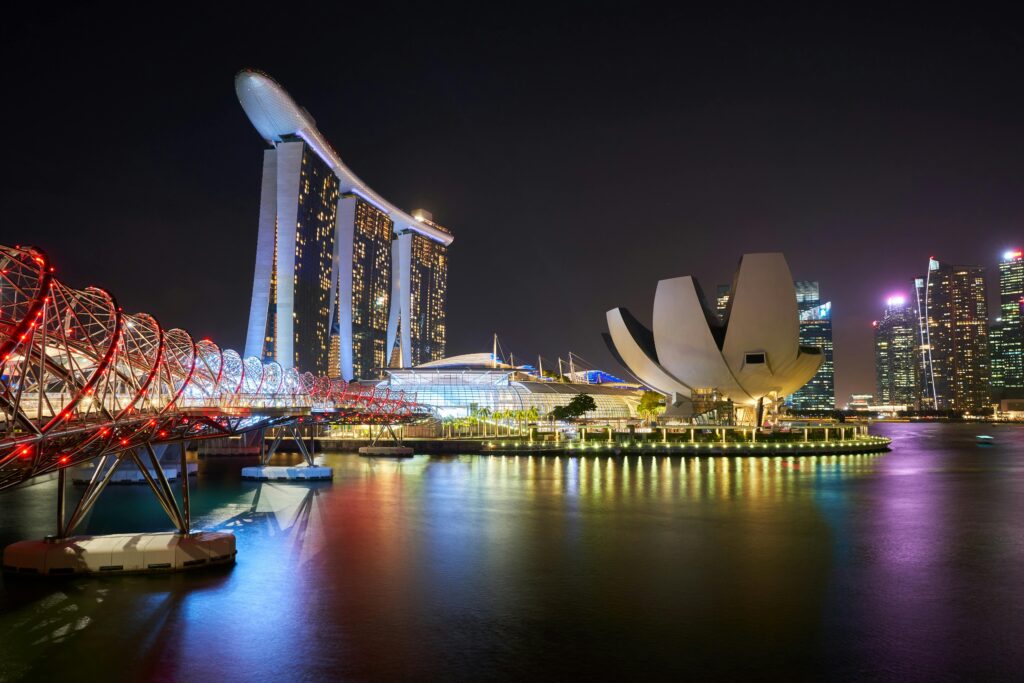
Air & Environment: Strict management in a tropical city, focusing on pollution control and greening.
Waste & Street Cleanliness: Strict penalties and an efficient cleaning system make littering rare.
Public Services & Citizen Behavior: Long-term “Keep Singapore Clean” public education has been highly effective.
3. Helsinki, Finland
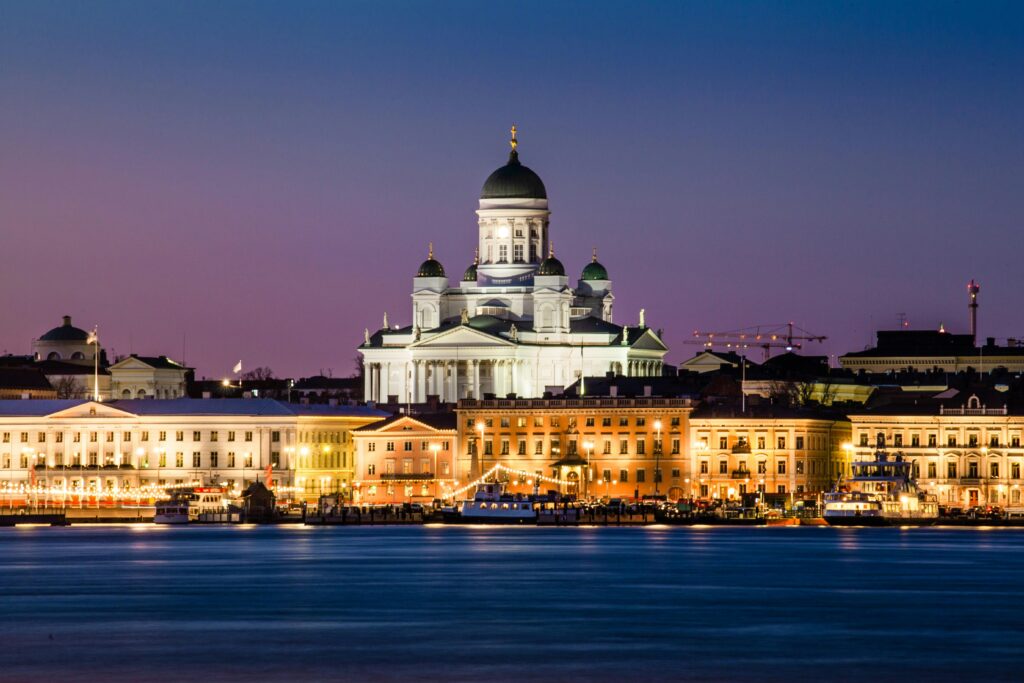
Air & Environment: Low Nordic pollution levels, ample natural buffer zones.
Waste & Street Cleanliness: High recycling rates and a good waste sorting system.
Public Services & Citizen Behavior: Well-maintained public facilities, high public environmental awareness.
4. Tokyo, Japan
Air & Environment: Good PM2.5 control and urban greening despite dense population.
Waste & Street Cleanliness: Clean and orderly street management (citizens conscientiously sort waste).
Public Services & Citizen Behavior: High collective civic standards maintain long-term urban cleanliness.
5. Copenhagen, Denmark
Air & Environment: High proportion of low-carbon travel, well-developed urban green infrastructure.
Waste & Street Cleanliness: High-quality urban management and community participation mechanisms.
Public Services & Citizen Behavior: Cycling culture and environmental policies reinforce each other.
6. Vienna, Austria
Air & Environment: Urban planning emphasizes green spaces and public areas.
Waste & Street Cleanliness: Stable maintenance, well-developed recycling system.
Public Services & Citizen Behavior: High-quality public facilities, high resident participation in environmental care.
7. Reykjavik, Iceland
Air & Environment: Geographic location and renewable energy contribute to excellent air quality.
Waste & Street Cleanliness: Small city size facilitates high-standard maintenance.
Public Services & Citizen Behavior: High welfare and environmental culture promote clean practices.
8. Munich, Germany
Air & Environment: Good integration of city and surrounding nature, strict pollution control.
Waste & Street Cleanliness: Strong public services and community cooperation.
Public Services & Citizen Behavior: Frequent public events, well-maintained public places.
9. Wellington, New Zealand
Air & Environment: Sea breezes and green spaces help maintain good air quality.
Waste & Street Cleanliness: Moderate city size enables effective management.
Public Services & Citizen Behavior: Strong community participation and environmental education.
10. Auckland, New Zealand
Air & Environment: Coastal city with generally good air quality.
Waste & Street Cleanliness: Improving recycling rates, effective city cleanliness management.
Public Services & Citizen Behavior: High resident awareness for maintaining public spaces.
Trend Prediction
Air Quality and Green Transport as Core to “Clean City” Evaluation
The advancement of electric public transport and non-motorized travel will significantly improve the perception of urban cleanliness.
Waste Reduction and Circular Economy as Hard Metrics
Recycling rates, plastic restrictions, and landfill management will directly impact a city’s cleanliness ranking.
Citizen Participation Determines Long-Term Sustainability
Policies can guide short-term improvements, but long-term success relies on the formation of citizen behavior habits.
Q&A
Q1: Why do different rankings give different “cleanest cities”?
A1: Because they emphasize different aspects (air quality, resident perception, waste management, public space tidiness, etc.) and use different timeframes and data sources; therefore, one should review the ranking methodology before comparing.
Q2: Is air quality (PM2.5) the only standard for measuring “cleanliness”?
A2: No. PM2.5 is important but only reflects air pollution; urban cleanliness also includes multiple aspects like waste management, street maintenance, sewage treatment, and citizen behavior.
Q3: Can cities in developing countries enter the top ten in the short term?
A3: Possibly, but it requires rapid progress in governance, infrastructure, and citizen participation (short-term improvements are often seen in targeted governance actions and foreign investment).
Q4: Do large numbers of tourists affect a city’s “cleanliness score”?
A4: Yes. A high volume of tourists puts pressure on waste, public toilets, and garbage disposal, so popular tourist cities need to invest additional management resources.
Q5: What can ordinary citizens do to improve urban cleanliness?
A5: Persisting with waste sorting, not littering, participating in volunteer clean-ups, supporting local greening, and reducing single-use plastic consumption are all effective actions.
Conclusion
The “cleanest city” is not achieved overnight; it is the result of long-term public governance, infrastructure investment, and citizen behavior. From Zurich and Singapore to Helsinki, these cities have established stable, positive cycles in air quality, waste management, and public space maintenance. Their experience shows that cleanliness not only enhances living comfort but also strengthens a city’s appeal and sustainable competitiveness. In the future, those who can continuously invest in green mobility and public participation are more likely to remain at the top of the rankings.