
Top 10 Countries with most Nobel Prize Winners
Contents
Introduction
The Nobel Prize represents the highest honor for contributions to humanity in the fields of science, literature, and peace. A country with more Nobel laureates often indicates its advantages in research foundations, educational systems, cultural atmosphere, and social openness. History and reality tell us: the Nobel Prize belongs not only to individuals but is also an epitome of a country’s institutions and the spirit of the times. Based on public statistics, this article compiles a list of the top ten countries/regions with the most Nobel Prize winners globally, and attempts to interpret them from the dimensions of historical traditions, institutional culture, social support, and future challenges—not just numbers, but a reflection on “knowledge, freedom, and the responsibility of the era.”
Data Explanation
Primary Sources
Publicly available statistics and aggregation websites, up to 2025.
Counting Method
Based on the country/region of affiliation as designated by the official Nobel Committee—if a laureate has multiple citizenships or has relocated, the country recorded officially is counted.
Prizes Covered
Includes Physics, Chemistry, Physiology or Medicine, Economic Sciences, Literature, and Peace Prizes.
Note
Due to prize sharing, changes in citizenship, and different statistical methods, numbers may vary slightly. However, the overall structure of the list is stable.
Ranking — Top Ten Countries/Regions with the Most Nobel Prizes (as of 2025)
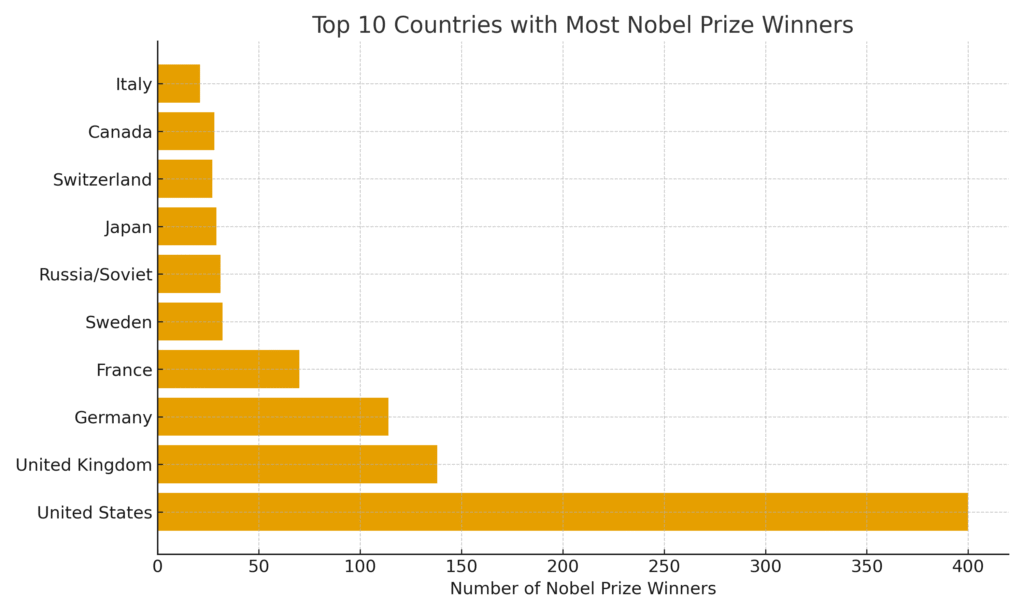
| Rank | Country / Region | Number of Prizes (Total Nobel Laureates) |
|---|---|---|
| 1 | United States | Between 423 – 428 |
| 2 | United Kingdom | Between 143 – 145 |
| 3 | Germany | Between 115 – 116 |
| 4 | France | Between 76 – 79 |
| 5 | Sweden | Between 34 – 35 |
| 6 | Japan | Between 31 – 33 |
| 7 | Russia (USSR/Russian Federation) | Between 30 – 31 |
| 8 | Canada | Between 28 – 29 |
| 9 | Switzerland | Between 25 – 27 |
| 10 | Austria | 25+ |
Note: Slight variations exist between different sources; the table shows a widely referenced version.
Reasons and Mechanisms: Why These Countries Became “Nobel Powerhouses”
United States
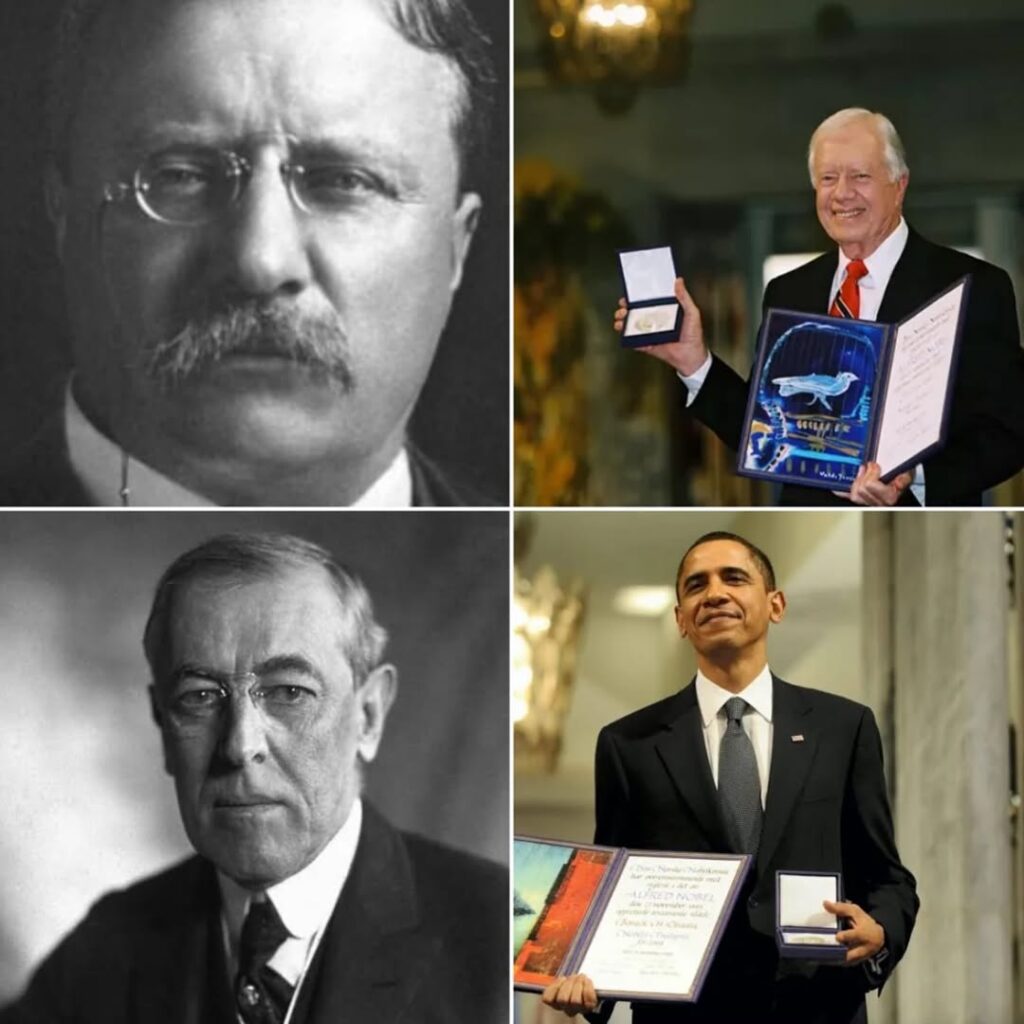
Education and Research System: Home to numerous world-leading universities and research institutes, ample research funding, and close integration between research and industry.
Immigration and Diversity: Attracts global talent, with an open and inclusive culture of innovation.
Institutional Advantages: Respect for academic freedom, encouragement of original research, strengths in both basic sciences and interdisciplinary studies.
United Kingdom
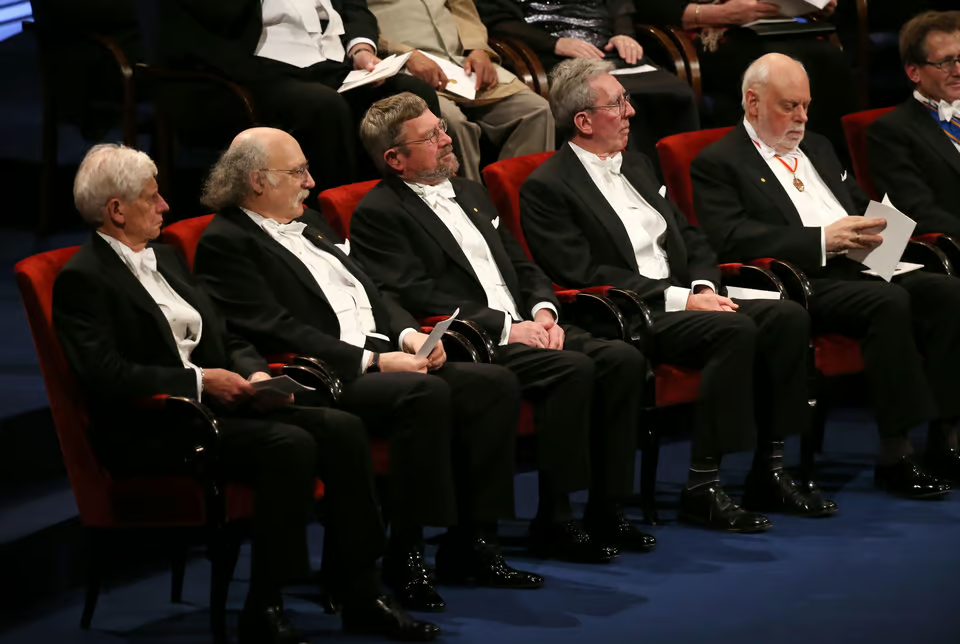
Historical Accumulation: Long-standing academic traditions and the advantage of the English language facilitate the global dissemination of papers and ideas.
Institutional Stability: Mature higher education system with a high degree of internationalization.
Broad Interdisciplinary Strength: Advantages across literature, peace, economic sciences, and scientific fields.
Germany
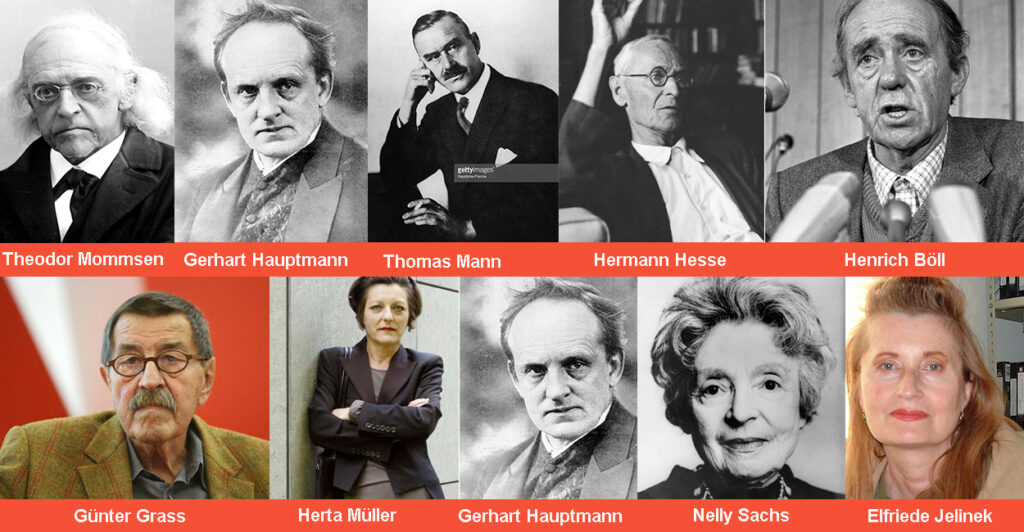
Strong Research Foundation: Birthplace of early revolutions in physics and chemistry, with a well-established system of laboratories and research institutes.
Integration of Industry and Academia: Emphasis on both industry/engineering and theoretical research.
Societal Support and Public Funding: Stable government research funding and an excellent research environment.
France
Deep Cultural & Literary Tradition: International influence in language and humanities.
Parallel Strengths in Science and Philosophy: Historic institutions promote both basic sciences and social sciences.
Institutional Safeguards: Strong public funding, academic freedom, and high social recognition.
Sweden
Origin of the Nobel Prize: Long-term emphasis and support for science, peace, and humanities.
High Social Welfare + Education System: Balanced investment in basic education and scientific research.
Innovation and Sustainable Development: Focus on environment, technology, and social harmony.
Japan
Modernized Research Investment and Education System: Rapid post-war development of its research and higher education systems.
Integration of Industry and Basic Research: Fusion of technology and theory, especially in physics, chemistry, and biomedical fields.
Societal Respect for Academia and Research: High social status for researchers and a stable research culture.
Russia (former USSR)
Soviet-era Scientific Tradition: Strong foundation in basic sciences (physics, mathematics, chemistry).
Centralized Resources, Emphasis on Basic Research: State-led research with distinct strengths in science and engineering.
Alternating Inheritance and Reform: Despite systemic changes, the research tradition and education system continue.
Canada
Immigration and Multicultural Integration: Attracts international talent with a flexible linguistic environment.
Emphasis on both Research and Social Policy: High-quality education and public funding support basic science.
International Collaboration: Close cooperation with European and American research systems, resulting in numerous transnational research achievements.
Switzerland
High Density of Research Institutions in a Small Country: High education levels, concentrated research investment, active international cooperation.
Institutional Safeguards + Neutral Culture: Supports basic research and peace prizes, highly internationalized.
Scientific Resource Allocation: High efficiency of research funding, emphasis on originality and basic research.
Austria
Central European Cultural and Educational Tradition: Long history, valuing both humanities and sciences.
European Research Network: Close cooperation with countries like Germany and Switzerland.
Stable Research Ecosystem for a Small Country: Combination of capital and institutions ensures a stable research environment.
Future Trends and Challenges
Increasing Internationalization of Research
Globalization and talent mobility mean smaller countries can potentially contribute to Nobel-winning research through collaboration.
Integration of Research and Social Responsibility
Interdisciplinary fields like “Peace,” “Environment,” and “Global Health” may become new hotspots for future prizes.
Educational Equity and Popularization
Developing countries could potentially rise gradually by strengthening basic education and research investment.
Q&A (Frequently Asked Questions)
Q1: Are most Nobel Prizes in the sciences? Do Literature and Peace Prizes count?
A1: This statistics include all categories (Science, Literature, Peace, Economic Sciences). The proportion of prizes varies by country; some countries have more awards in Literature or Peace.
Q2: Is there a correlation between the number of prizes and population size?
A2: To some extent, yes, but the number of prizes per capita better reflects “research density.” For example, some small countries have a high number of prizes per million inhabitants despite a small population.
Q3: How are laureates with dual citizenship counted?
A3: They are counted according to the official Nobel Committee record (usually citizenship at the time of the award or country of birth). In cases of dual citizenship, they may sometimes be counted for multiple countries.
Q4: Which countries might break into the top ten in the future?
A4: If they can continuously increase investment in research and education, maintain academic freedom and international cooperation, developing countries have the opportunity to enter the list through basic research and innovation.
Conclusion

The Nobel Prize is both an individual honor and a glory for a country and its era. Behind those numbers are countless researchers, writers, peace advocates, and the educational systems and social institutions that support them. It is hoped that this analysis is not merely a simple list of “which country is the strongest,” but can inspire us to reflect on how to create an environment that respects thought, encourages originality, embraces diversity, and ensures fair competition—allowing more “future Nobels” to emerge from every corner of the world.
Data Sources
WorldPopulationReview — Nobel Prizes by Country 2025. World Population Review
CurrentAffairs.Adda247 — 10 Countries With the Most Nobel Prize Winners 2025. adda247+1
Wikipedia — List of Nobel laureates by country. WIKI
Moneycontrol / Visual-Story Reports summarizing Nobel Prize country distribution. Moneycontrol+1