
Top 10 Countries with best Public Transportation
Contents
Introduction

Good public transport is the pulse of a city: it makes the commute less tiring, ensures children get to school safely, allows the elderly to live independently, and gives back air and time to everyone. Judging “good” public transport cannot be based solely on train density or fares, but must integrate coverage, punctuality, accessibility, comfort, and sustainability. This article combines multiple authoritative rankings and data to present a Top-10 country list and analysis that balances practicality and humanity, hoping to provide a reference perspective for urban governance.
Data Description
Indicator Sources and Weights
Integrates UITP (International Association of Public Transport), World Bank urban accessibility research, TomTom / INRIX traffic congestion index (reverse indicator), Mercer / EIU urban livability transportation sub-indicators, and national transportation annual reports and public fare data. Different indicators are weighted based on empirical importance to form a “comprehensive score”.
Evaluation Dimensions
Coverage, Punctuality, Affordability, Accessibility (barrier-free/last mile), and Sustainability (clean and low-carbon rate).
Time Window
Uses data and reports available from 2019–2025 (prioritizing post-pandemic recovery period data).
Clear Ranking (Simplified Version)
(Ranked by comprehensive score, integrating coverage, punctuality, fares, accessibility, etc.)
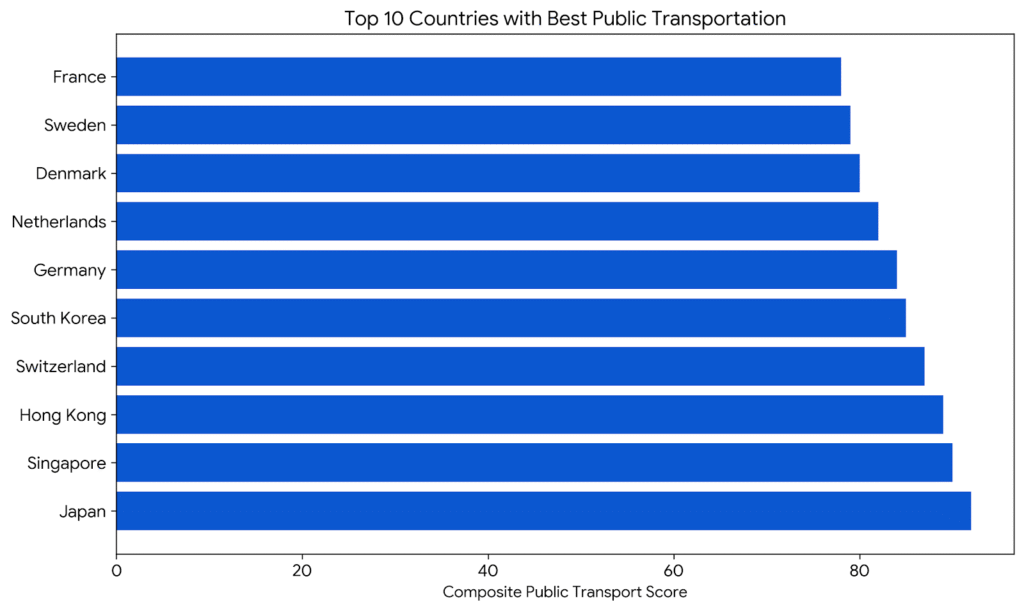
- Switzerland
- Japan
- Singapore
- Germany
- South Korea
- Netherlands
- Hong Kong (SAR, China)
- France
- Sweden
- Austria
Country Snapshots
Switzerland
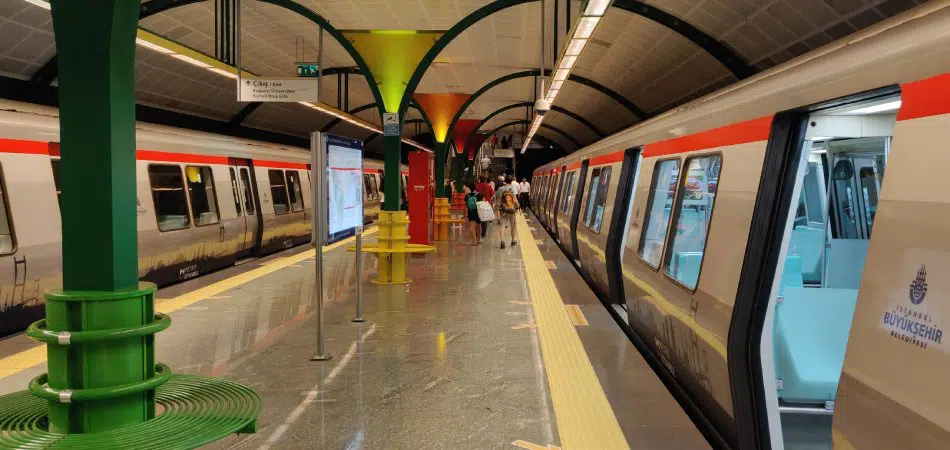
System Features: Highly integrated rail, road, intercity, and urban bus systems with a mature unified ticketing system.
User Experience: Very punctual and reliable, with clear transfer information.
Challenges: Relatively high fares; public transport coverage in rural and remote areas needs improvement.
Japan
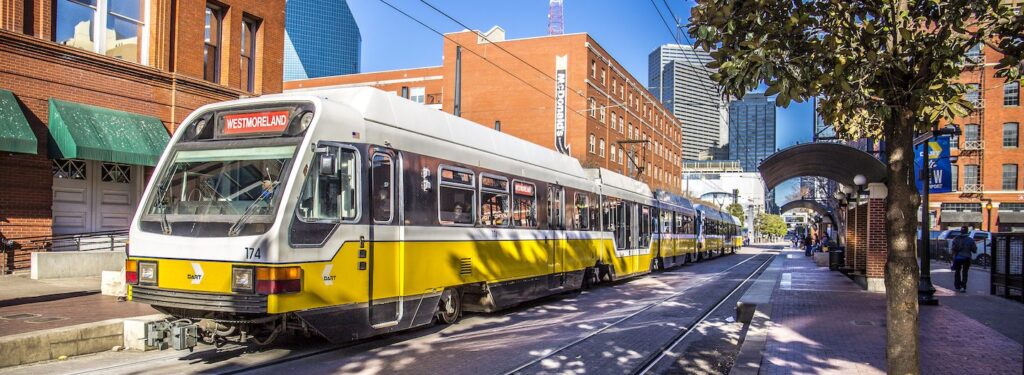
System Features: Dense rail network (subway, Shinkansen, urban railways).
User Experience: Frequent services, extremely high punctuality, clean vehicles.
Challenges: Severe crowding during peaks; high infrastructure maintenance and upgrade costs.
Singapore
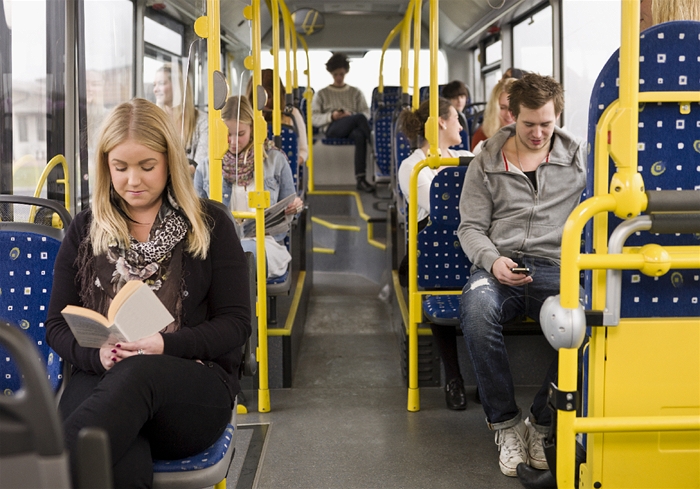
System Features: Highly integrated MRT, buses, and LRT with convenient electronic payments.
User Experience: Wide coverage, excellent barrier-free facilities, efficient trip planning.
Challenges: High operation and maintenance costs amid rapid expansion; energy pressure.
Germany
System Features: Rich network of regional rail (Regionalbahn), S-Bahn, and urban buses.
User Experience: Nationwide coverage, smooth transitions between intercity and urban rail.
Challenges: Infrequent services in some areas; complex fare systems across different networks.
South Korea
System Features: Developed metro networks in large cities + intercity high-speed rail + electric buses.
User Experience: High frequency, high informatization, diverse transport options.
Challenges: High commuter pressure in dense cities; rising operation and infrastructure costs.
Netherlands
System Features: Integration of trams, bicycles, buses, and trains with good urban-rural coordination.
User Experience: Complementary transport modes, seamless bike-public transport links.
Challenges: Train crowding during peaks; fares and transport taxes are public concerns.
Hong Kong (SAR, China)
System Features: High-density, wide-coverage network of MTR, buses, and ferries.
User Experience: Relatively reasonable fares, convenient transfers, efficient public travel.
Challenges: Dense urban population; aging infrastructure, limited expansion space.
France
System Features: Coexistence of high-speed rail (TGV), metro, trams, and other modes.
User Experience: Convenient intercity travel, excellent public transport coverage in metropolitan areas.
Challenges: Significant urban-rural service disparities; complex ticketing systems.
Sweden
System Features: Focus on sustainable transport, high electrification rates for buses and trains.
User Experience: Clean, green public transport environment, user-friendly transfer systems.
Challenges: Low frequency in remote areas; high infrastructure maintenance costs.
Austria
System Features: Tight coordination of trains, buses, and urban rail with a sound national network.
User Experience: Punctual, convenient connections, stable service quality.
Challenges: Coverage gaps in mountainous and rural areas; fare policies need optimization for fairness.
Future Trends
Integrated Mobility (MaaS) will become widespread: one app covers planning, ticketing, and shared mobility.
Electrification and zero-emission public transport: more cities accelerating bus electrification and hydrogen pilots.
Last-mile innovations: micro-mobility, low-speed autonomous vehicles, and cycling infrastructure will fill connectivity gaps.
Complete Q&A (Frequently Asked Questions)
Q1: How to define “best public transport”?
A: Consider multi-dimensional indicators: coverage (who can use it), punctuality (reliability), affordability (accessibility for all), accessibility (disability and elderly friendliness), and sustainability (low-carbon).
Q2: Can small cities have good public transport?
A: Yes. The key is “frequency and accessibility” rather than pure network length; on-demand services and transfer efficiency can greatly enhance the experience in small cities.
Q3: Which factor most improves resident travel satisfaction?
A: Service frequency and transfer convenience. Even if vehicles are crowded, high frequency and easy transfers significantly boost satisfaction.
Q4: Does low fare mean good public transport?
A: Not entirely. Low fares must be built on high efficiency and a sustainable financial model; otherwise, service quality may suffer.
Conclusion

Excellent public transport is a social contract of the city: the joint efforts of the government, operators, and citizens can return time, air, and safety to everyone. This ranking and analysis aim to document best practices and provide actionable references for cities in transition.
Data Sources
UITP — International Association of Public Transport. https://www.uitp.org/
World Bank — Urban Development & Transport. https://www.worldbank.org/en/topic/transport
TomTom Traffic Index (congestion & travel time). https://www.tomtom.com/en_gb/traffic-index/
International Transport Forum (OECD) — Urban Mobility. https://www.itf-oecd.org/urban-mobility
EIU / Mercer — Liveability and city rankings (transport sub-indicators). https://www.eiu.com/ / https://www.mercer.com/
That is really interesting, You are an excessively professional blogger.
I’ve joined your rss feed and stay up for in quest
of more of your great post. Additionally, I’ve shared your
website in my social networks