
Top 10 Largest Nations in the World
Contents
Top 10 Largest Nations in the World: A Comprehensive 2026 Guide
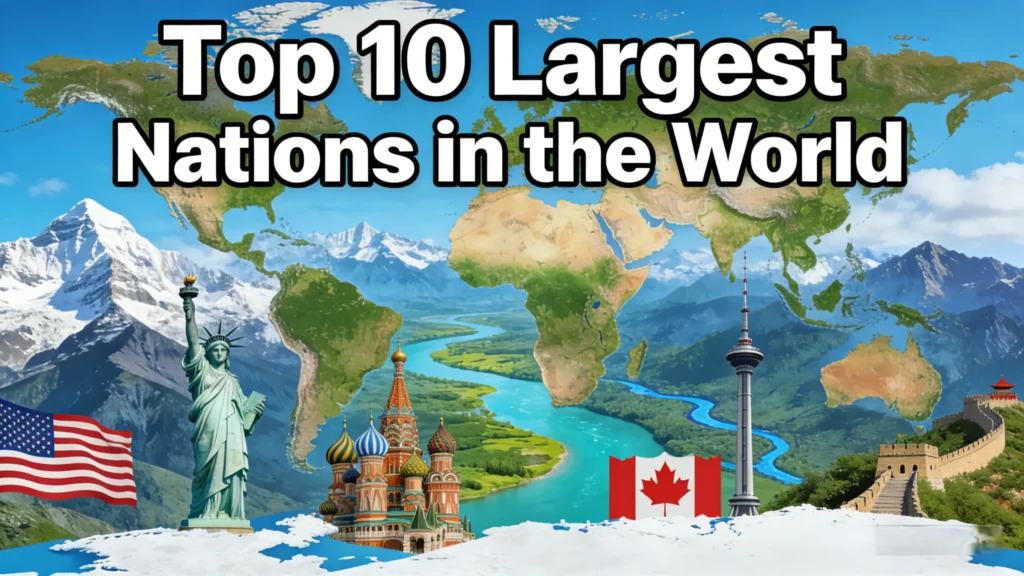
When people talk about the “largest countries in the world,” most imagine vast maps and endless landscapes. But how large are these nations really—and what does “large” actually mean in a global, human, and geographic sense?
This article goes beyond a simple ranking. We combine accurate land-area data, visual comparisons, and contextual explanations to help you truly understand what makes these nations enormous—not just on paper, but in reality.
The Geographic Reality of Scale
Before diving into the specific rankings, it is essential to visualize the scale. A country’s total land area is a fundamental pillar of its national identity, affecting:
- Climate Diversity: Larger nations often span multiple hemispheres or climate zones.
- Population Distribution: Size determines how much “breathable” space a civilization has.
- Geopolitical Strategy: Massive borders require complex infrastructure and military management.
For instance, Russia stretches across 11 time zones, while Canada contains more lakes than the rest of the world’s inland water bodies combined. Size is not just a number; it’s a lived geographic reality.
Top 10 Largest Nations by Land Area (2026 Ranking)
The following table ranks countries by Total Land Area (square kilometers), excluding territorial waters, based on data synthesized from the World Bank and the CIA World Factbook.
| Rank | Country | Land Area (km²) | Approx. % of Earth’s Land |
| 1 | Russia | 17,098,242 | ~11.5% |
| 2 | Canada | 9,984,670 | ~6.7% |
| 3 | China | 9,596,961 | ~6.4% |
| 4 | United States | 9,525,067 | ~6.4% |
| 5 | Brazil | 8,515,767 | ~5.7% |
| 6 | Australia | 7,692,024 | ~5.2% |
| 7 | India | 3,287,263 | ~2.2% |
| 8 | Argentina | 2,780,400 | ~1.9% |
| 9 | Kazakhstan | 2,724,900 | ~1.8% |
| 10 | Algeria | 2,381,741 | ~1.6% |
Detailed Breakdown: What Makes These Nations Vast?
1. Russia — The Scale Champion
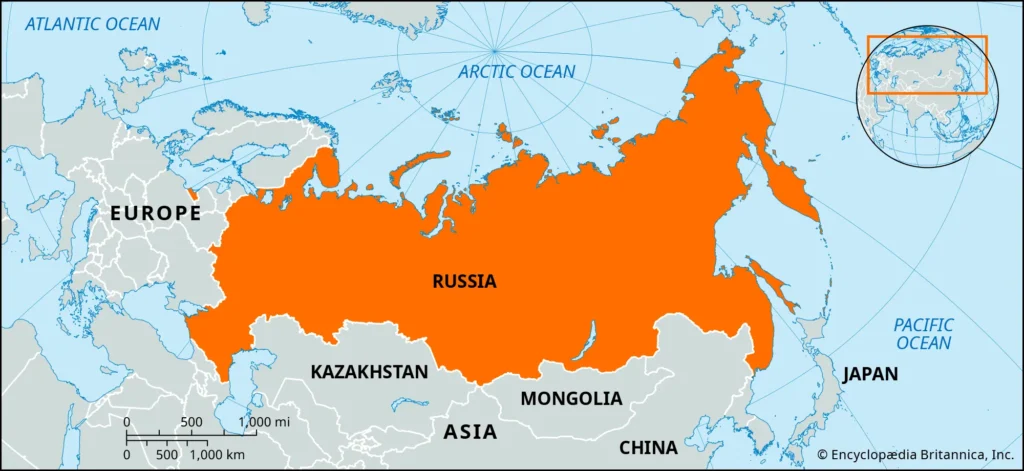
Russia is not just the largest country; it is geographically extreme. It covers the entirety of Northern Asia and much of Eastern Europe.
- Extreme Climate: Its territory includes everything from frozen tundra to lush taiga and rolling steppes.
- Strategic Depth: If Russia were split into two, both halves would still independently rank among the world’s largest nations.
2. Canada — The Quiet Giant
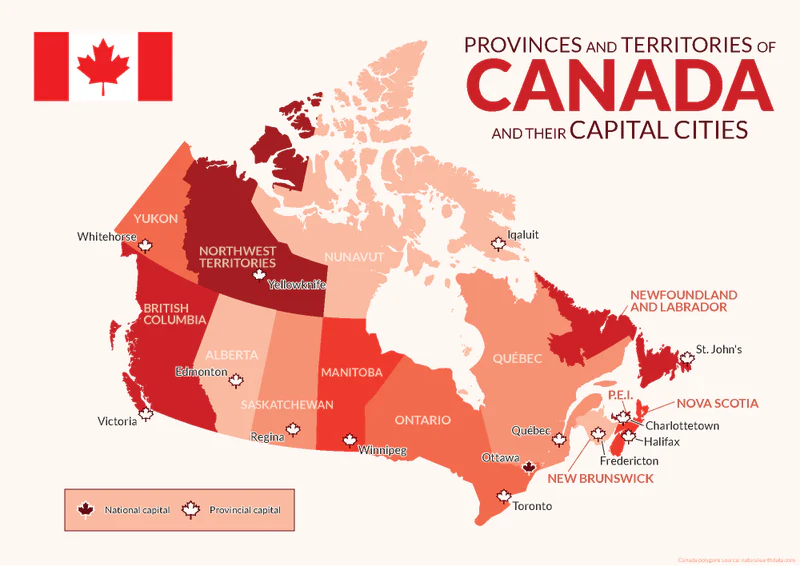
Canada’s scale is defined more by nature than by people. Most of its population lives within 100 miles of the U.S. border, leaving a massive northern expanse of wilderness.
- Water Wealth: Canada holds nearly 20% of the world’s freshwater within its borders.
- Sparse Density: Its vastness is a testament to the rugged, untouched beauty of the Arctic.
3. China — Compressed Immensity
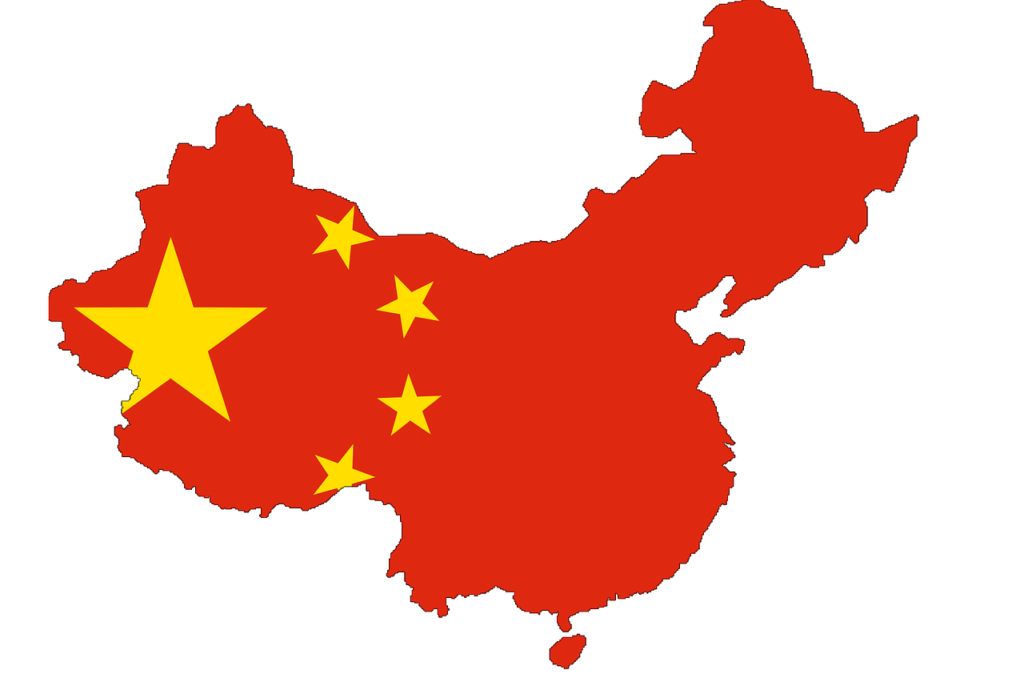
China’s vastness is unique because of its population density. It demonstrates how a massive land area and a population of over 1.4 billion people can coexist.
- Topographic Variety: It contains the highest plateaus (Tibet), vast deserts (Gobi), and fertile river valleys.
- Strategic Hub: China spans nearly every major climate zone in the Northern Hemisphere.
4. United States — Geographic Diversity at Scale
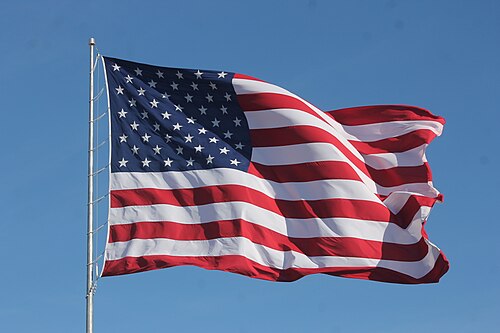
The U.S. is one of the few nations that combines economic power with geographic variety on such a massive scale.
- The Land vs. Water Debate: While China is larger in terms of pure land, the U.S. is often ranked higher in total area because it includes more territorial water.
- Climate Spectrum: It is the only country to contain Arctic tundra (Alaska), tropical rainforests (Hawaii), and temperate forests simultaneously.
5. Brazil — The Amazon Factor
Brazil’s size is inseparable from the Amazon Basin, which accounts for roughly 60% of the country’s territory.
- Global Climate Anchor: Its forests play a critical role in regulating the Earth’s oxygen and climate systems.
- Agricultural Powerhouse: Beyond the forest, its vast savannas make it a world leader in food production.
6. Australia — A Continent-Nation
Australia is the only nation that occupies an entire continent.
- Ecological Isolation: Its size has allowed for the evolution of unique flora and fauna found nowhere else on Earth.
- The Outback: The vast, arid interior means that the majority of its land remains largely uninhabited.
7. India — Smaller Area, Massive Impact
India ranks 7th in size but is a global leader in almost every other category.
- Density over Distance: India shows that land size does not equal influence.
- Climate Variation: From the Himalayan peaks to the tropical South, it packs immense cultural and climatic diversity into a relatively smaller footprint compared to the “Big Six.”
8. Argentina — Long and Narrow Immensity
Argentina’s territory stretches dramatically from North to South, offering a vertical slice of the planet’s climates.
- Contrast: One can travel from the subtropical forests of the North to the sub-Antarctic glaciers of Patagonia in the South.
9. Kazakhstan — The Largest Landlocked Nation
Kazakhstan holds the unique title of the world’s largest landlocked country.
- Steppe Landscape: Its geography is dominated by the vast Central Asian steppes.
- Strategic Location: It serves as the vital bridge between Europe and East Asia.
10. Algeria — Africa’s Largest Country
Following the partition of Sudan, Algeria became the largest nation in Africa.
- Desert Dominance: Over 80% of its land is covered by the Sahara Desert.
- Energy Reserves: Its vast land area hides some of the world’s most significant oil and natural gas deposits.
Why “Largest” Can Be Misleading
A larger land area does not automatically translate to a higher population or greater economic power.
- Habitability: Much of Russia, Canada, and Australia is “dead space” where extreme weather makes permanent settlement difficult.
- Economic Utility: A smaller, resource-rich country like India often has a higher economic density than a vast, desert-dominated country like Algeria.
- The Water Factor: Rankings often shift depending on whether internal lakes or coastal waters are included in the calculation.
Frequently Asked Questions (FAQ)
What is the largest country in the world by land area?
Russia is the undisputed leader, covering 17.1 million km², which accounts for roughly 11.5% of the planet’s total land surface.
Is Russia larger than Pluto?
Yes. Russia’s surface area is approximately 17.1 million km², while Pluto’s surface area is about 16.6 million km².
Is the United States larger than China?
It depends on the measurement. By pure land area, China is slightly larger. By total area (including territorial waters and internal lakes), the United States is often ranked as larger.
Why is Canada ranked above China?
While China has a much larger population, Canada has more total land area, primarily due to its massive, sparsely populated northern territories and islands.
Data Methodology & Sources
To ensure maximum transparency, this 2026 ranking follows a standardized methodology:
- Ranking Criteria: Countries are ranked by Total Land Area (km²). Territorial waters and Exclusive Economic Zones (EEZs) are excluded to ensure a focus on geography.
- Sovereignty: Only sovereign states recognized by the United Nations are included.
- Disputed Borders: Internationally recognized boundaries are used to avoid double-counting contested regions.
Primary Sources: