
Top 10 most Beautiful Cities in the World
Contents
Introduction
“Beauty” is not an abstract, cold indicator, but the interplay of light and shadow on a street corner, the reflection on a river, and the dialogue between history and the present. Different rankings highlight different cities, but most emphasize that harmony between architectural aesthetics, natural scenery, and urban atmosphere often determines if a city is called one of the “world’s most beautiful.” This article synthesizes and analyzes multiple rankings and local perspectives, presenting a Top-10 that balances data and feeling, and provides necessary charts and images for reading and publishing.
Data Explanation (Brief)
Primary Source Types
Authoritative travel media and local guides (e.g., Time Out, Forbes/Euromonitor reports), travel blogs, and expert compilations.
Evaluation Dimensions
Architecture/Historical value, Natural Landscape, Urban Integrity (urban design and public spaces), Cultural Vibrancy, and Accessibility (transport/flights). Note: “Beauty” is subjective. This article combines multiple rankings and local poll results, taking intersections and illustrative scores for comparison.
Quick Top 10
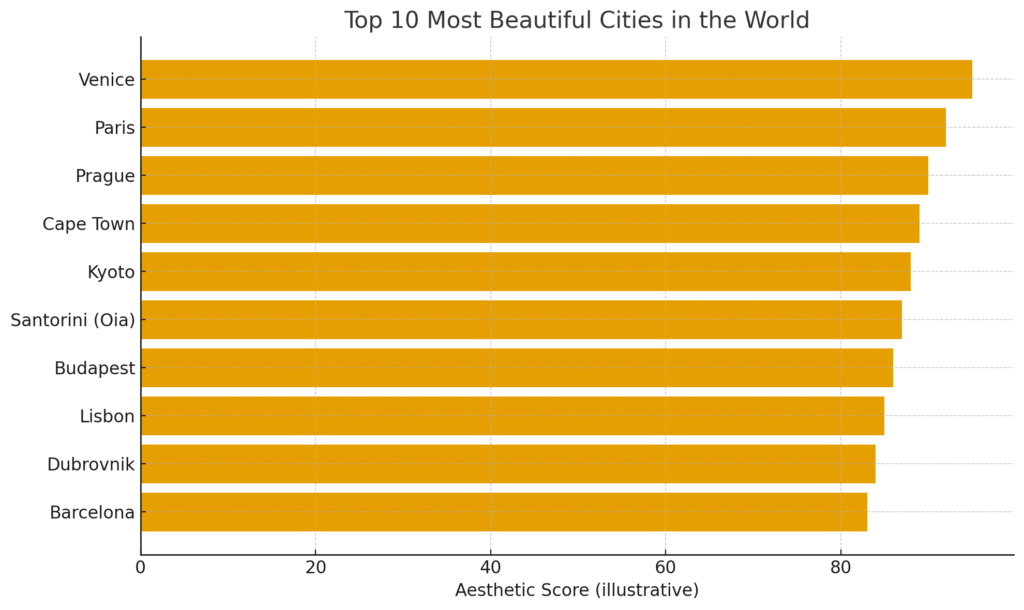
- Venice, Italy
- Paris, France
- Prague, Czech Republic
- Cape Town, South Africa
- Kyoto, Japan
- Santorini (Oia), Greece
- Budapest, Hungary
- Lisbon, Portugal
- Dubrovnik, Croatia
- Barcelona, Spain
City Snapshots
1. Venice, Italy
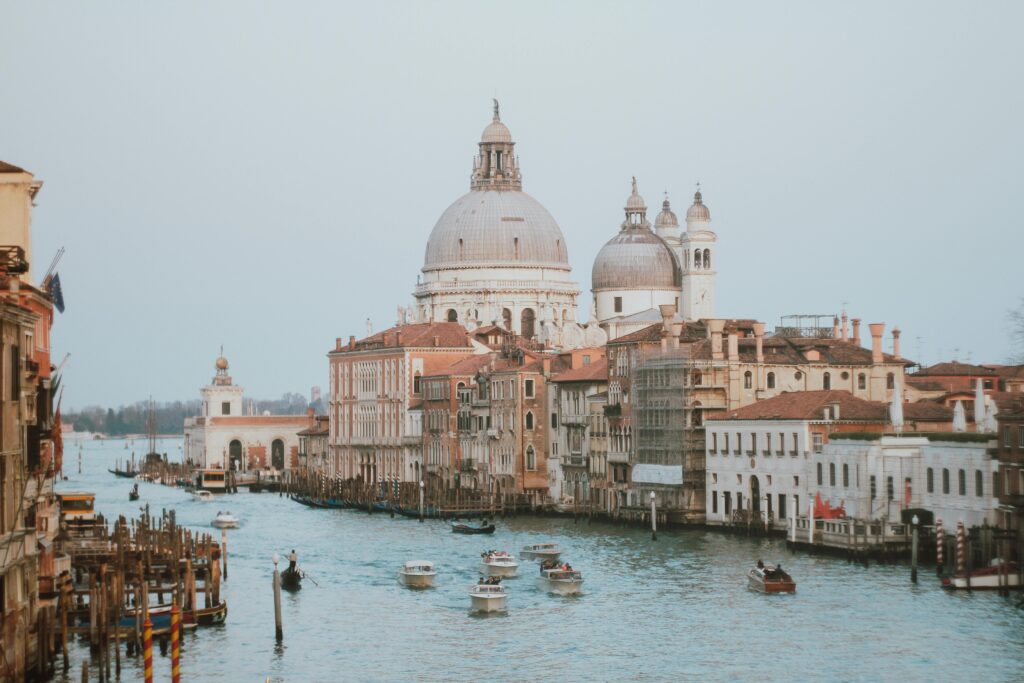
Architecture & History: A unique cityscape built on water with Renaissance architecture, possessing irreplaceable historical value.
Natural Landscape: The unique aquatic ecosystem of the Adriatic Sea inlet and lagoon.
Urban Experience: A blend of walking and boating, vibrant festivals and arts, but high tourist traffic brings preservation and management pressures.
2. Paris, France
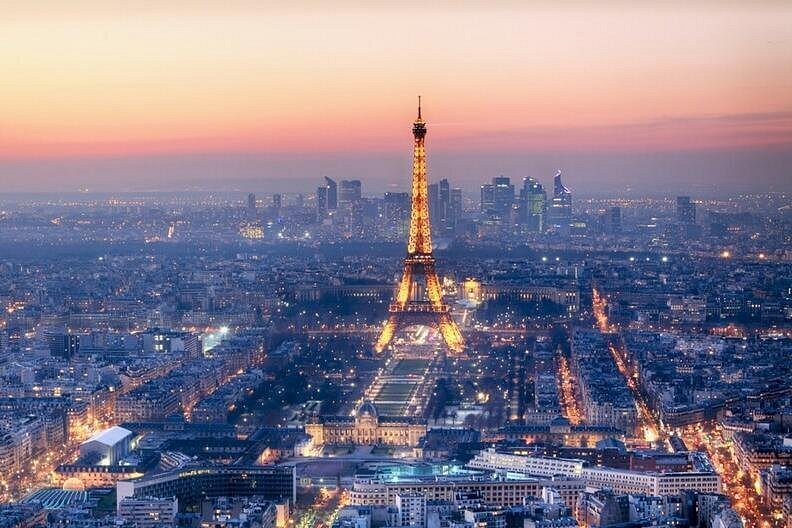
Architecture & History: A continuous architectural ensemble from medieval to modern times, with the world’s highest density of museums.
Natural Landscape: The Seine riverbanks complementing city parks like the Luxembourg Gardens.
Urban Experience: Café culture, fashion, and lively street life ensure Paris’ enduring charm.
3. Prague, Czech Republic
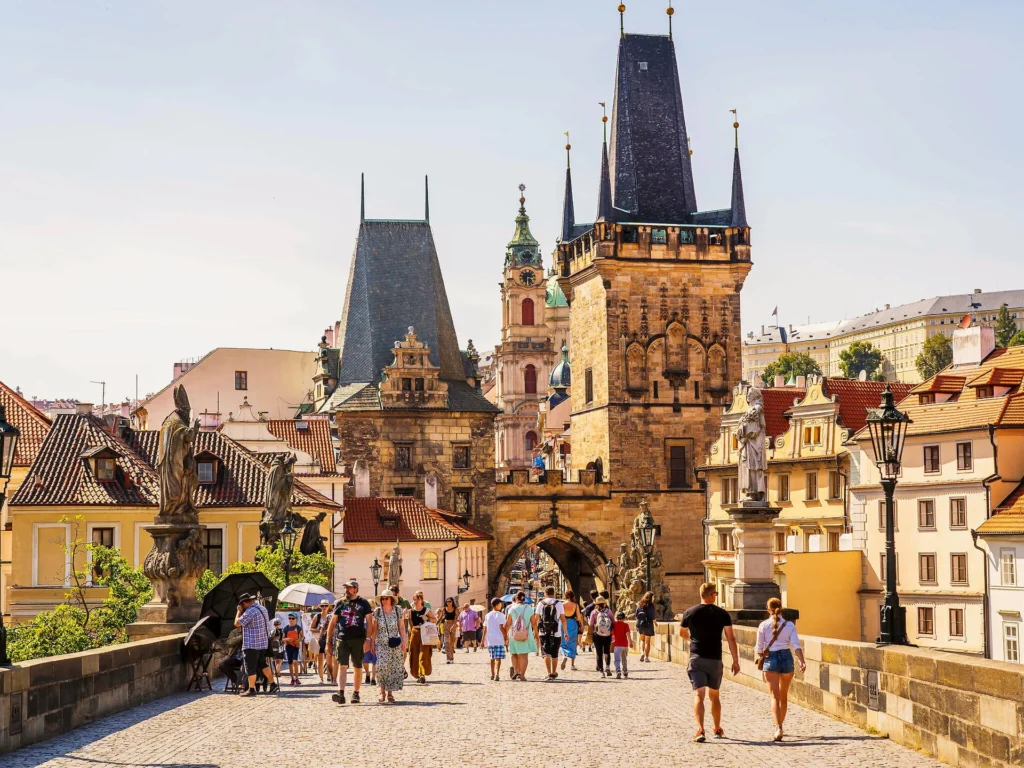
Architecture & History: Exceptionally well-preserved Gothic, Baroque, and medieval quarters.
Natural Landscape: The Vltava River winding through the city, creating a picture of history.
Urban Experience: Tourist-friendly, easily walkable, a paradise for photographers and history enthusiasts.
4. Cape Town, South Africa
Architecture & History: A coexistence of colonial-era buildings and diverse cultural heritage.
Natural Landscape: Table Mountain, coastline, and vineyards create a rich landscape.
Urban Experience: Abundant outdoor activities, vibrant nightlife and food scenes, highly favored by locals and tourists alike.
5. Kyoto, Japan
Architecture & History: Ancient Japanese capital with well-preserved temples, shrines, and traditional wooden architecture.
Natural Landscape: Distinctive seasonal gardens, cherry blossom, and autumn foliage views.
Urban Experience: Serene and elegant, offering a sense of “slow time.”
6. Santorini (Oia), Greece
Architecture & History: Unique whitewashed, blue-domed buildings and narrow, winding paths.
Natural Landscape: Volcanic cliffs and Aegean Sea sunsets provide a world-class visual experience.
Urban Experience: Strong romantic and small-town feel, but managing peak tourism seasons is a challenge.
7. Budapest, Hungary
Architecture & History: Classic European architecture lining the Danube River banks, coupled with thermal bath culture.
Natural Landscape: River scenery combined with urban hills offers numerous viewpoints.
Urban Experience: Nightscapes, cuisine, and affordable tourism experiences are all highlights.
8. Lisbon, Portugal
Architecture & History: Architectural heritage from the Age of Discoveries and traditional azulejo tile facades.
Natural Landscape: Coastal hilltop cityscape with stunning bay sunsets.
Urban Experience: A slow pace of life and welcoming community atmosphere.
9. Dubrovnik, Croatia
Architecture & History: A prime example of a walled city, with a remarkably intact medieval defensive system.
Natural Landscape: The clear waters of the Adriatic Sea and dramatic cliff coastline.
Urban Experience: Strong tourist appeal, but balancing preservation with the visitor experience is necessary.
10. Barcelona, Spain
Architecture & History: Monumental works by Gaudí and Modernist architecture.
Natural Landscape: A coastal city coexisting with urban hills.
Urban Experience: Art, street life, and gastronomy form a strong urban character.
Trend Prediction (Next 5 Years)
Beauty Will Emphasize Sustainability and Authenticity
Over-commercialized attractions will be replaced by more sustainable, low-carbon tourism models.
Local Experience Trumps “Checklist” Sightseeing
Niche neighborhoods, nightlife, and authentic cultural experiences will become new evaluation dimensions.
Increasing Pressure for Preservation
Cities highly dependent on tourism, like Venice and Santorini, must find new strategies to balance preservation and accessibility.
Frequently Asked Questions (Q&A)
1. How are the world’s most beautiful cities selected?
Major rankings typically combine multiple indicators: cityscape, architectural style, natural environment, cultural heritage, tourist experience, and cleanliness. They are determined by a combination of expert ratings and public opinion.
2. Is a beautiful city the same as a livable city?
Not necessarily. Beautiful cities emphasize visual and aesthetic experience, while livable cities focus more on practical indices like transportation, economy, housing, and healthcare. They may overlap, but the evaluation angles differ.
3. Why are more Asian cities entering the “most beautiful cities” rankings?
Due to rapid urban renewal, more international urban design, better preservation of historical culture, and continuous improvement in tourism infrastructure.
4. Can a city’s beauty decline as tourist numbers increase?
Yes. Overtourism can lead to congestion, environmental pressure, and rising living costs, prompting many cities to implement visitor dispersion policies and tourism caps.
5. Does the most beautiful city mean high expenses?
Some can be expensive, but not absolutely. Cities like Kyoto, Prague, and Istanbul are beautiful yet relatively moderate in price, though high popularity often leads to increased living costs.
Summary
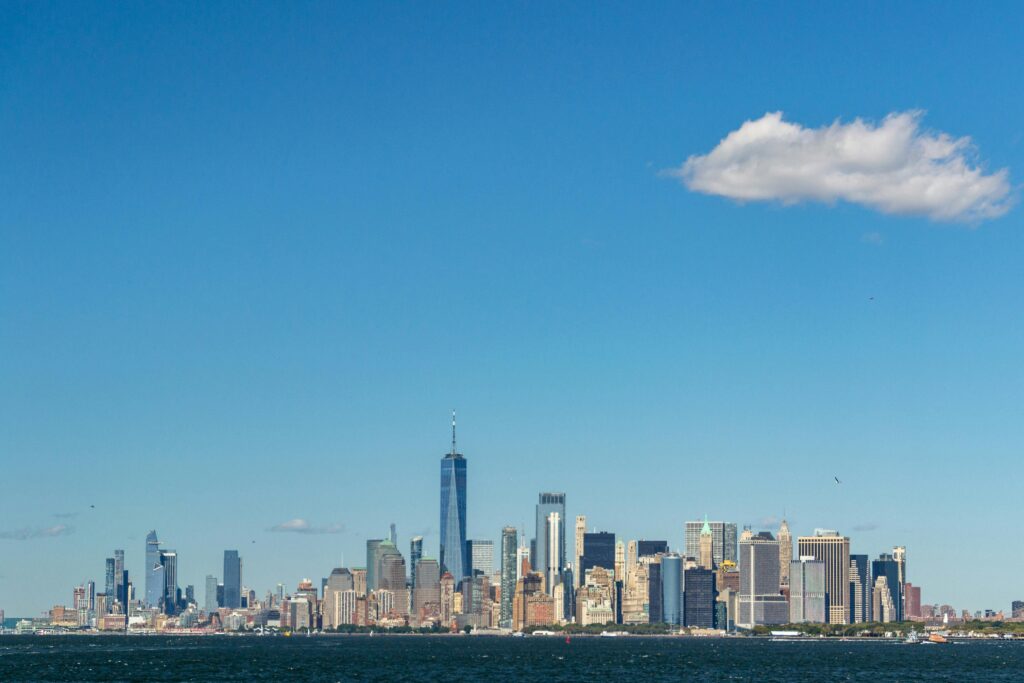
The world’s most beautiful cities are often not defined by a single building or street, but by the unique character woven from history, culture, nature, and the daily lives of people. This ranking presents ten cities from different continents and cultures, each interpreting the breadth of “beauty” in its own way. From ancient European stone lanes to modern Asian skylines, beauty is not just a visual treat but the emotion and warmth a city gives to its people.
Data Sources
Time Out — The world’s 10 most beautiful cities, according to locals. https://www.timeout.com/news/the-worlds-10-most-beautiful-cities-according-to-locals-012425. Time Out Worldwide
The Boutique Adventurer — 55 Most Beautiful Cities in the World. https://theboutiqueadventurer.com/most-beautiful-cities-in-the-world/. The Boutique Adventurer
Lars Karlsson — Top 10 Most Beautiful Cities in the World 2025. https://www.larskarlsson.com/?p=13638. Lars Karlsson: CapacityNow
Forbes / Euromonitor — Best Cities to Visit (context on city rankings and tourism trends). https://www.forbes.com/ (search Euromonitor World’s Best Cities). forbes