
Top 10 most livable Cities in the World
Contents
Introduction
“Livability” is an urban quality that can be both seen and felt: clean streets in the early morning, timely medical care, ample green spaces, convenient transportation, and the safety and trust between neighbors. Assessing a city’s livability requires a comprehensive view of multiple dimensions including stability, healthcare, culture & environment, education, and infrastructure. Based on the Economist Intelligence Unit’s (EIU) Global Liveability Index 2025 and other authoritative rankings, this article compiles the current Top 10 Most Livable Cities globally and provides a balanced interpretation.
Data Explanation
Primary Basis
EIU Global Liveability Index 2025 (Primary scoring dimensions: Stability 25%, Healthcare 20%, Culture & Environment 20%, Education 10%, Infrastructure 25%).
Time Window
Primarily uses the 2025 EIU index, supplemented and verified with relevant city indicators from Mercer, Numbeo, and the World Bank.
Note
Different rankings have varying methodologies and focuses. The EIU emphasizes “the sustainability of quality of life and the availability of services,” making it suitable as an internationally comparable reference for livability.
Quick Top 10 Ranking
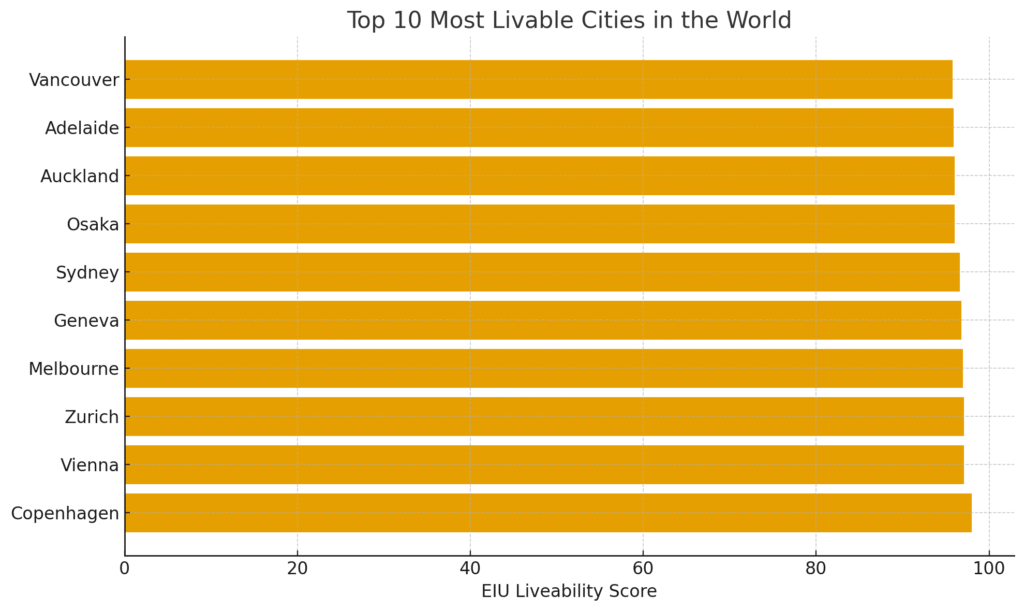
- Copenhagen (Denmark) — EIU Score 98.0
- Vienna (Austria) — 97.1
- Zurich (Switzerland) — 97.1
- Melbourne (Australia) — 97.0
- Geneva (Switzerland) — 96.8
- Sydney (Australia) — 96.6
- Osaka (Japan) — 96.0
- Auckland (New Zealand) — 96.0
- Adelaide (Australia) — 95.9
- Vancouver (Canada) — 95.8
Snapshot of the Top 10 Cities
Copenhagen
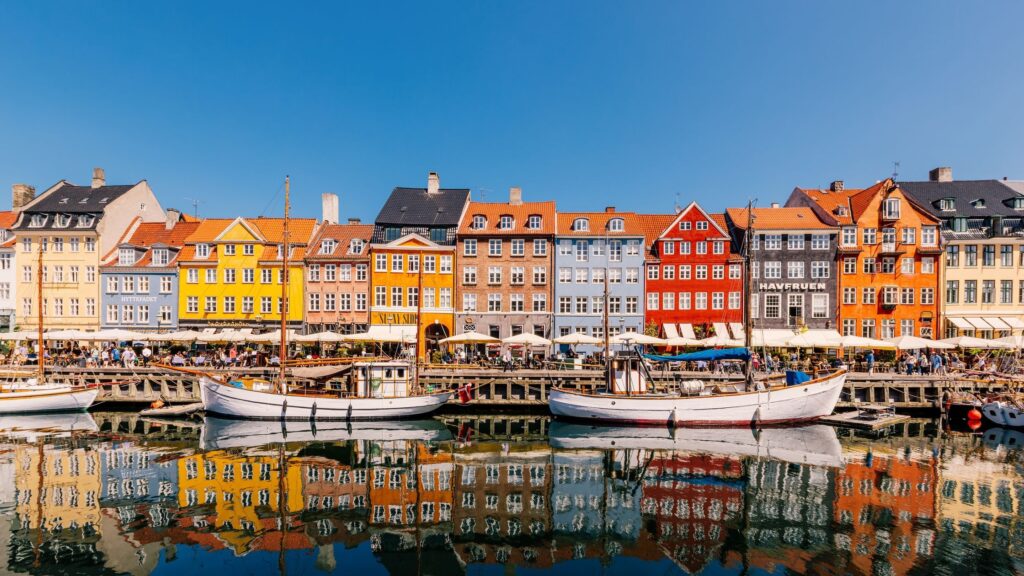
Stability & Safety: Excellent public security, transparent urban governance.
Greenness & Mobility: Bicycle-friendly, efficient public transport, abundant urban green spaces.
Social Services: High-quality healthcare and education systems, extensive social welfare coverage.
Vienna
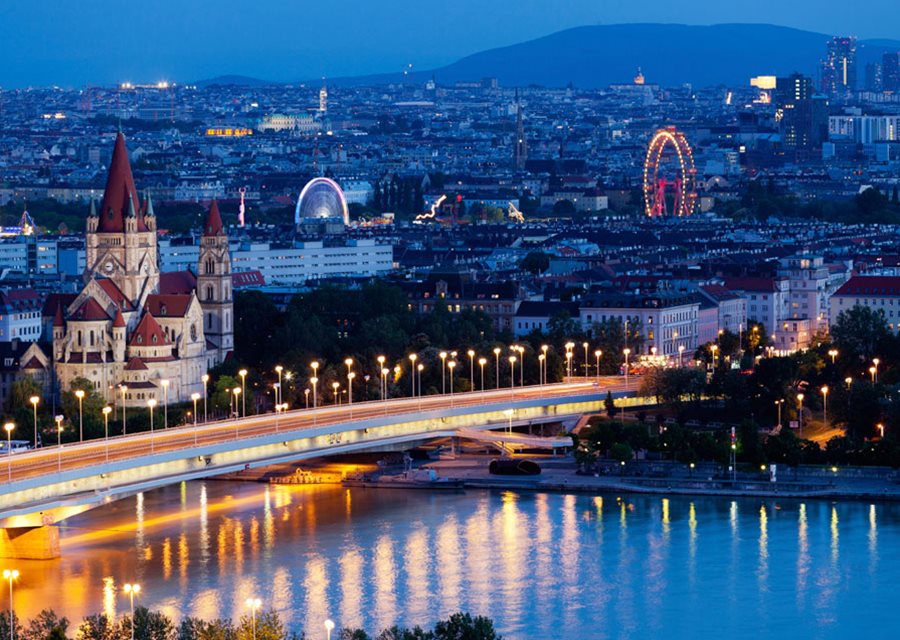
Cultural Heritage: Rich in museums, music, and architectural heritage.
Infrastructure: Efficient public transportation and excellent housing policies support a high quality of life.
Social Inclusion: Numerous cultural activities and social integration programs, age-friendly.
Zurich
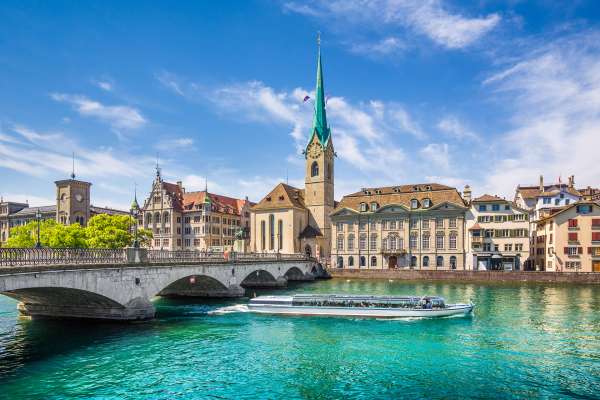
Economy & Safety: A banking and financial center with extremely high levels of urban safety and sanitation.
Healthcare Resources: Advanced and well-covered healthcare system.
Environment & Culture: Proximity to nature, excellent management of public spaces.
Melbourne
Culture & Education: Dense concentration of universities, numerous cultural activities, consistently high livability index.
Urban Planning: Rational allocation of public facilities and green spaces.
Diversity: A city of immigrants with strong cultural inclusivity.
Geneva
International Character: Host to numerous international organizations and diplomatic institutions.
Healthcare & Education: High-quality international schools and healthcare system.
Quality of Life: Distinct advantages for leisure life offered by its lake and mountain scenery.
Sydney
Natural Landscape: Perfect integration of harbor, beaches, and urban life.
Public Services: Abundant healthcare and cultural facilities.
Transportation & Housing: Despite traffic pressures, overall services are of high quality.
Osaka
Urban Vitality: Balanced economic and cultural development, lower cost of living compared to Tokyo.
Public Services: Excellent medical system, good hospital coverage.
Sense of Community: Coexistence of traditional and modern culture, high level of community participation.
Auckland
Ecology & Lifestyle: Coastal location, rich natural resources, diverse outdoor living.
Infrastructure: Well-developed living services, strong sense of community safety.
Advantages of a Smaller City: Less crowded, high accessibility of public services.
Adelaide
Feel of a Livable Small City: Moderate pace of life, comfortable public spaces.
Healthcare & Education: Well-supported by regional medical resources and universities.
Environmental Management: Excellent urban greening and air quality management.
Vancouver
Integration of Nature and City: Adjacent to mountains and sea, convenient for outdoor activities.
Multiculturalism: Diverse immigrant population, good community integration.
Health & Living: Abundant healthcare and education resources, but housing affordability pressures need attention.
Trend Prediction (Next 5–10 Years)
Mid-Sized and Small Livable Cities Will Be More Favored
The post-pandemic trend towards “decentralized living” continues, making low-density cities and satellite towns more attractive.
Climate Resilience Becomes a Key New Ranking Factor
Capabilities in flood prevention, dealing with sea-level rise, and heatwaves will directly impact livability scores.
Digital Public Services Enhance Quality of Life
Smart healthcare, distance learning, and intelligent mobility will become new competitive factors for cities.
Diversity and Inclusivity Affect Urban Attractiveness
Immigration policies and social inclusivity will influence talent inflow and urban innovation capacity.
Frequently Asked Questions (FAQ)
Q1: Are there differences between the EIU ranking and those from Mercer or Numbeo?
A1: Yes. The EIU focuses more on public services and stability; Mercer leans towards the quality of life from an expatriate perspective; Numbeo is crowd-sourced data reflecting public perception. The three are complementary.
Q2: Does “Livable” equal “Suitable for Tourism”?
A2: Not necessarily. Livability emphasizes long-term quality of life; tourism focuses on short-term experiences and attraction of sights.
Q3: Can the rankings change rapidly?
A3: Short-term fluctuations can be caused by security incidents, natural disasters, or pandemic resurgences, but long-term changes are more influenced by infrastructure and institutions.
Summary
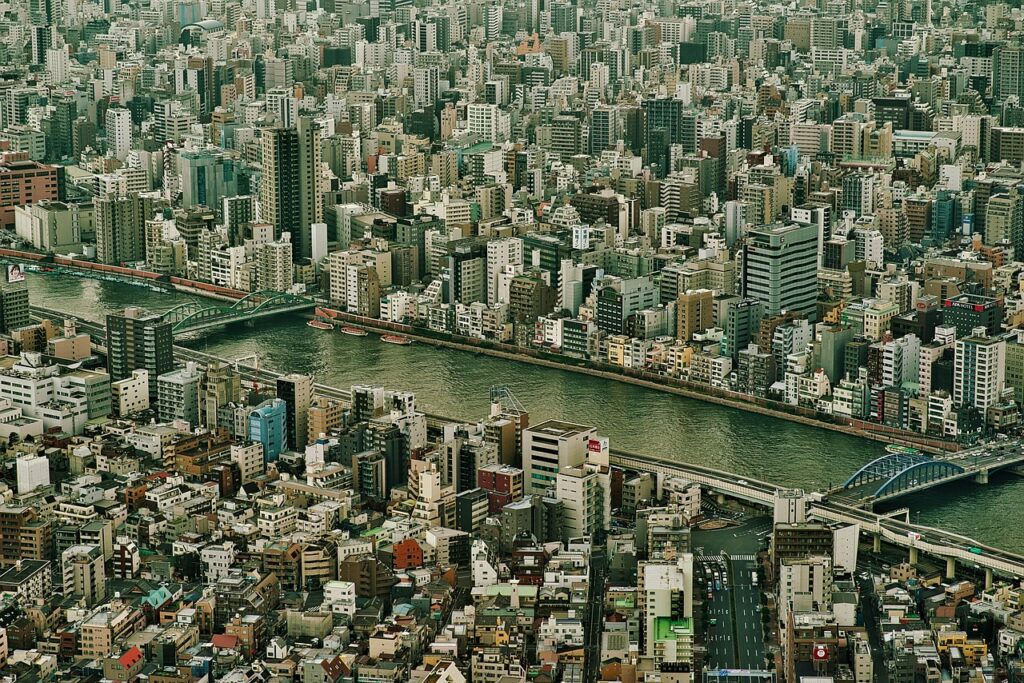
The commonality among the world’s most livable cities is their safe, green, accessible, and efficient urban systems. These cities not only possess good infrastructure, healthcare, and education but also pay attention to the warmth of life: walkability, open public spaces, and vibrant cultural vitality. Livability is never a luxury; it is the way a city treats its residents well. In the future, with growing environmental awareness and technological advancement, more cities will move towards “livability,” making comfort, safety, and sustainability fundamental urban qualities.
Data Sources
Economist Intelligence Unit (EIU) — Global Liveability Index 2025. eiu
https://www.eiu.com/n/campaigns/global-liveability-index-2024/
Mercer — Quality of Living City Ranking 2024. Mercer
https://www.mercer.com/insights/total-rewards/talent-mobility-insights/quality-of-living-city-ranking/
Numbeo — Quality of Life Index by City 2024/2025. Numbeo+1
https://www.numbeo.com/quality-of-life/rankings.jsp
Resonance Consultancy — World’s Best Cities / Best Cities Report 2024. BAE Ventures – Venture Capital
https://www.worldsbestcities.com/