
Top 10 most Populated Cities in the World
Contents
Introduction: When Cities Become the Heartbeat of the World
In the long river of human civilization, nothing embodies our vision for the future more than cities. Bustling streets, brightly lit skyscrapers, cross-cultural collisions and fusions—the scale of a population often determines a city’s rhythm and how it leaves its mark on the world stage. The world’s most populous cities are both the epicenters of economic activity and the stages where social challenges are most concentrated. Based on publicly available data and mainstream ranking models, this article compiles, analyzes, and provides insights into the top ten most populous cities globally, allowing you to understand at a glance how these “megacities” are shaping the future.
The World’s 10 Most Populous Cities (Brief Ranking)
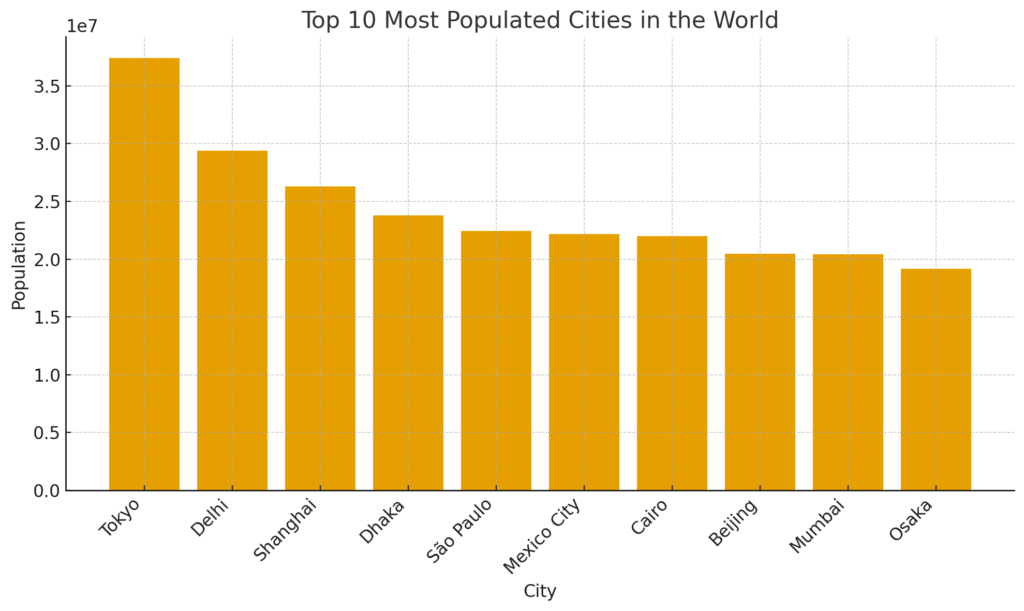
| Rank | City | Country | Population (Millions) |
|---|---|---|---|
| 1 | Tokyo (Metropolitan Area) | Japan | 37.1 |
| 2 | Delhi | India | 32.9 |
| 3 | Shanghai | China | 29.2 |
| 4 | Dhaka | Bangladesh | 23.2 |
| 5 | São Paulo | Brazil | 22.6 |
| 6 | Mexico City | Mexico | 22.1 |
| 7 | Cairo | Egypt | 21.8 |
| 8 | Beijing | China | 21.0 |
| 9 | Mumbai | India | 20.9 |
| 10 | Osaka (Metropolitan Area) | Japan | 19.1 |
Note: Comprehensive estimates using cross-referenced data from major sources like UN World Urbanization Prospects 2024, World Population Review, Statista, etc.
Data Explanation
Indicator Definition
The population figures listed in this article primarily refer to the metropolitan/urban agglomeration population, prioritizing the definitions used by the UN’s “World Urbanization Prospects” and national statistical bureaus. If a label such as “Metropolitan Area/Urban Agglomeration/Municipal District” is used, the original data source’s definition is preserved.
Timeframe
Uses the most recent annual or estimated data available (primarily aggregated 2023–2025 data).
Data Sources & Processing
Data is cross-referenced from UN WUP, World Population Review, Statista, national statistical yearbooks, and OECD urban data. In case of discrepancies, priority is given to the most authoritative source, with notes provided. For cities with significant source variation, median or explained weighted averages are used.
Definitional Differences Explanation
There are three common definitions for urban population statistics (city proper / urban area / metropolitan area), and the choice can lead to differences in the millions. This table prioritizes the “metropolitan area” level to better reflect the true influence of the city.
Uncertainties & Considerations
Rapid urban expansion, administrative boundary adjustments, and temporary populations (seasonal migration, migrant labor) can affect short-term data. For academic or policy-making purposes, please refer to the original official data and verify publication dates.
Synthesis Rule
When multiple authoritative sources are available, they are prioritized in this order of reliability: UN WUP → National Bureau of Statistics → International Databases (WorldPop/Statista) → Industry Aggregates. Linear interpolation or explanatory notes are applied for year differences when necessary.
City Snapshots
1. Tokyo, Japan
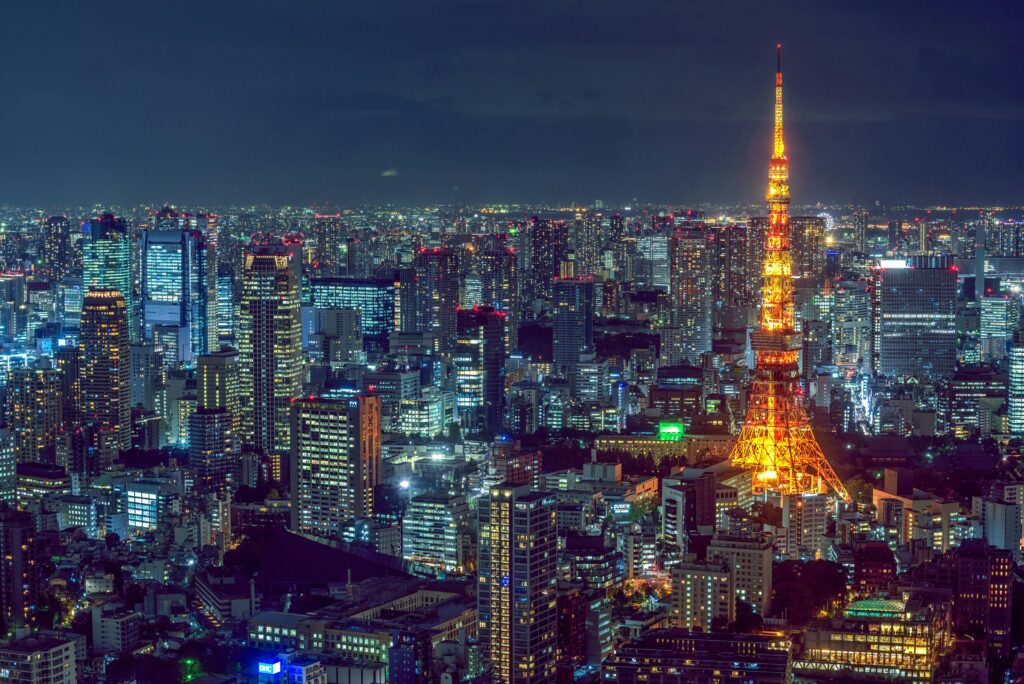
Population Scale: Approx. 37.1 million.
Urban Characteristics: Polycentric structure, extremely high urban efficiency.
Challenges/Opportunities: Accelerating population aging coexists with technology and innovation-driven growth.
2. Delhi, India
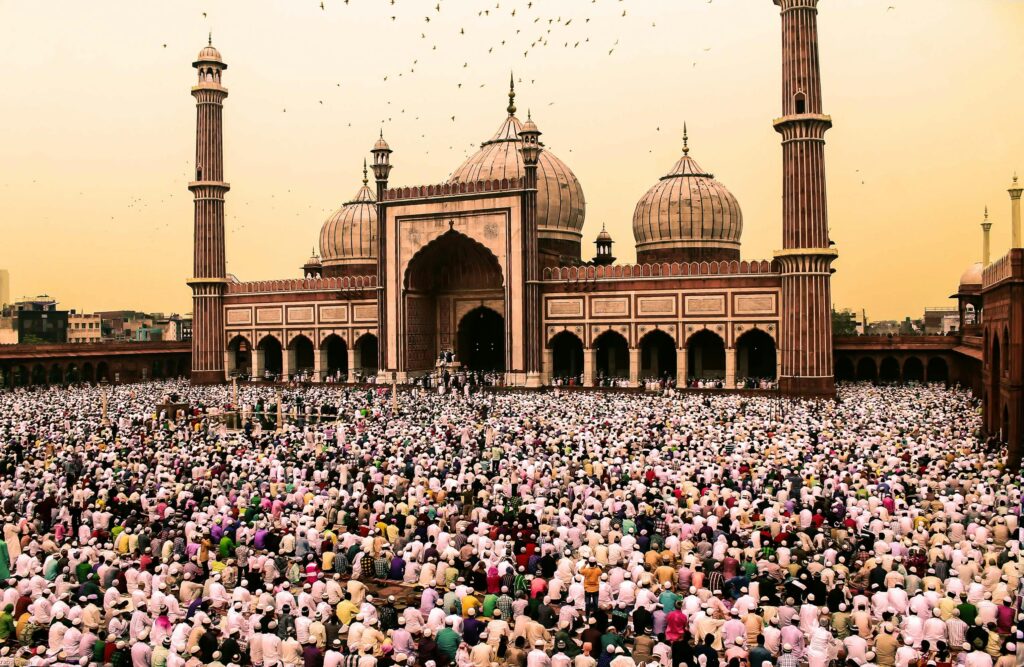
Population Scale: Approx. 32.9 million.
Urban Characteristics: Rapid expansion, high-density living.
Challenges/Opportunities: Air quality and traffic pressure, service industry boom.
3. Shanghai, China
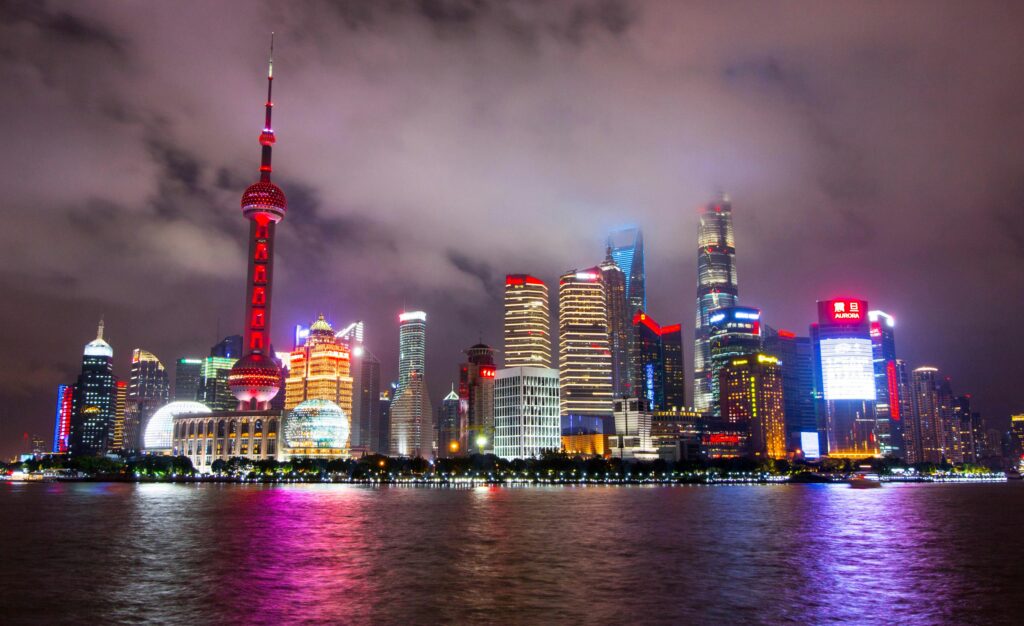
Population Scale: Approx. 29.2 million.
Urban Characteristics: Global financial center, strong technology industry.
Challenges/Opportunities: Demographic shifts, land constraints.
4. Dhaka, Bangladesh
Population Scale: Approx. 23.2 million.
Urban Characteristics: One of the most densely populated cities globally.
Challenges/Opportunities: Immense infrastructure pressure, textile industry supporting the economy.
5. São Paulo, Brazil
Population Scale: Approx. 22.6 million.
Urban Characteristics: Economic engine of South America.
Challenges/Opportunities: Significant security disparities, rapid growth in culture and creative industries.
6. Mexico City, Mexico
Population Scale: Approx. 22.1 million.
Urban Characteristics: Dual center of Latin American culture and economy.
Challenges/Opportunities: Long-term balancing act between earthquake risk and transportation reform.
7. Cairo, Egypt
Population Scale: Approx. 21.8 million.
Urban Characteristics: Political and economic hub of North Africa, rich in history and culture.
Challenges/Opportunities: Housing pressure, youth population dividend.
8. Beijing, China
Population Scale: Approx. 21.0 million.
Urban Characteristics: Political and technology hub, concentration of educational resources.
Challenges/Opportunities: Population control policies, strengthening innovation-driven development.
9. Mumbai, India
Population Scale: Approx. 20.9 million.
Urban Characteristics: India’s financial and film center.
Challenges/Opportunities: Coexistence of slums and modernization.
10. Osaka, Japan
Population Scale: Approx. 19.1 million.
Urban Characteristics: Strong manufacturing base, highly mature service sector.
Challenges/Opportunities: Pressure from economic transformation and population outflow.
Frequently Asked Questions (Q&A)
Q1: Why do rankings of the “world’s largest city by population” vary between different organizations?
A1: Because of different statistical definitions: some use city proper population, some use urban area, and others use metropolitan area. Metropolitan area population often better reflects the true scale of a city, which is why this article primarily uses that definition, as noted in the table.
Q2: Does a larger city population mean a more developed economy?
A2: Not necessarily. A large population is often related to history, migration policies, and land structure. While megacities typically have economic vitality, they can also face problems like congestion, air pollution, and housing pressure. Population size is not a direct indicator of economic strength.
Q3: Will the world’s most populous cities continue to grow?
A3: Many cities with populations over 20 million (like Tokyo, Delhi, Shanghai) are already experiencing slower growth. However, cities in South Asia and Africa (like Lagos, Cairo) are still expected to expand rapidly. The UN predicts Africa will be the continent with the fastest urbanization growth by 2050.
Q4: Do city population statistics include migrant populations?
A4: It depends on the statistical method. Many countries’ metropolitan area population counts “permanent residents” who live there long-term, but not necessarily short-term visitors or unregistered migrants. Therefore, the actual “daytime population” of a city may be higher than the statistical figure.
Q5: What factors determine if a city can become a “megacity”?
A5: Typically includes: • Strong employment pull (concentration of industry, technology, services) • Historical agglomeration and national policies • Status as a transportation hub • Resource distribution and geographical advantages A population exceeding 10 million is just the outcome; the fundamental drivers are the concentration of the economy and opportunity.
3 Major Trends for the World’s Most Populous Cities
Trend 1: Asia Takes Center Stage
8 of the 10 cities are in Asia. This structure will likely remain for the next 20 years, with South Asia experiencing the fastest population growth.
Trend 2: The Ebb and Flow of Population Density and Innovation Capacity
High population density brings pressure but also drives urban governance and technological innovation, such as: • Smart transportation • Ultra-efficient public service systems
Trend 3: Megacities Begin Moving Towards “Layered” Development
Cities like Tokyo, Osaka, and Shanghai are strengthening their metropolitan area models, dispersing populations more evenly to surrounding regions.
Conclusion
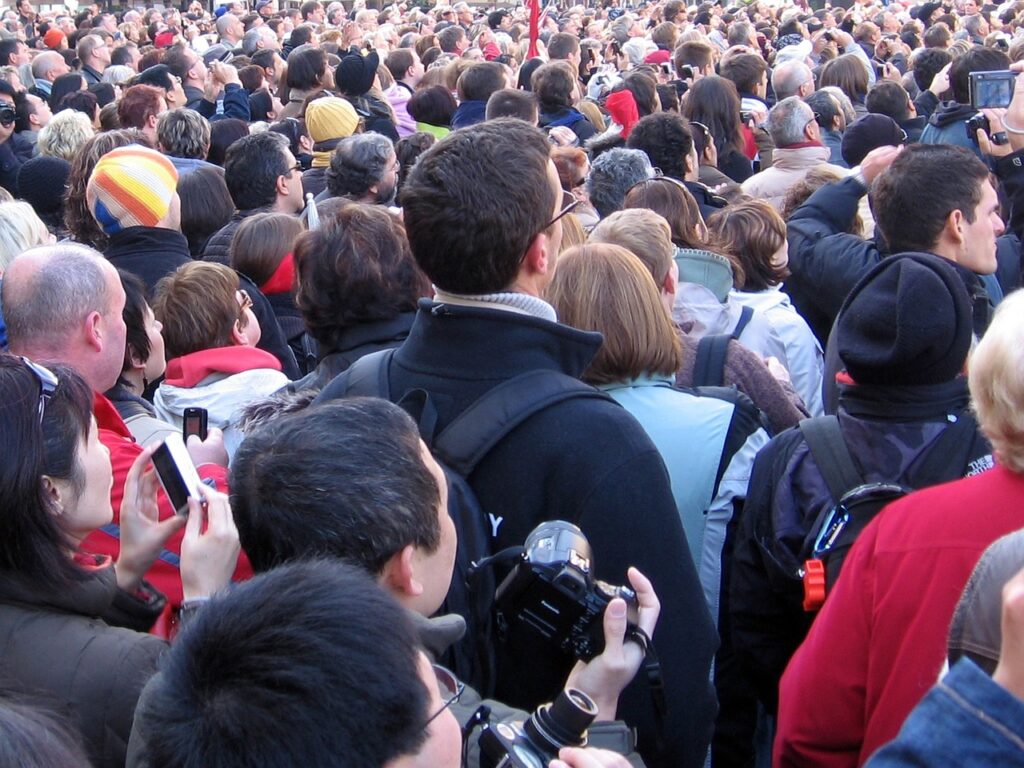
Population is the starting point of a city’s story. As Tokyo continues to hold its position as the world’s largest metropolitan area, and cities like Delhi, Shanghai, and Dhaka grow at a staggering pace, each “megacity” is writing its own unique future. A large population means pressure, but it also means boundless creativity. These cities are redefining how to live, work, and connect with the world, reminding us that the vitality of a city stems from every single person who lives in it.
Data Sources
United Nations, World Urbanization Prospects 2024 (https://population.un.org/wup/)
World Population Review, World Cities Population 2024 (https://worldpopulationreview.com/world-cities)
Statista, Largest Cities Worldwide (https://www.statista.com/)