
Top 10 Youngest Countries in the World (2025 snapshot — based on median age data)
Contents
Introduction — Youthfulness is Not a Single Label

“Young” is not merely a statistic of age, but a nation’s future energy: the noise of schools, the fervor of entrepreneurship, urban expansion, and changes in the labor market. A young population brings opportunities (a large labor reserve, innovation potential) as well as challenges (pressure on education and employment, infrastructure and service provision). In this article, we use the median age as the primary indicator to measure “youthfulness,” listing the ten countries with the lowest median age in 2024–2025 (authoritative data sources include UN WPP and compilations), and interpreting what this means for them and the world.
Methodology
Primary Indicator: Country/Region median age. The median age is the age that divides the population into two numerically equal groups – half the people are younger than this age and half are older. It directly reflects the age structure of a population. Main Data Sources: United Nations “World Population Prospects 2024” (UN WPP) and compilations from authoritative national statistics (e.g., CIA / national statistical offices). The specific median age values provided in the article are compiled values based on UN WPP / public statistics, with sources cited in tables and charts.
At a Glance — Bar Chart of Ten Countries (Median Age, Approximate Values)
Download Data (CSV): Download: Top10 Youngest Countries — median_age_2024.csv
Chart Note: The bar chart shows the median age (in years) of the top 10 countries. Values are approximations based on compilations from UN WPP / CIA and public statistics.
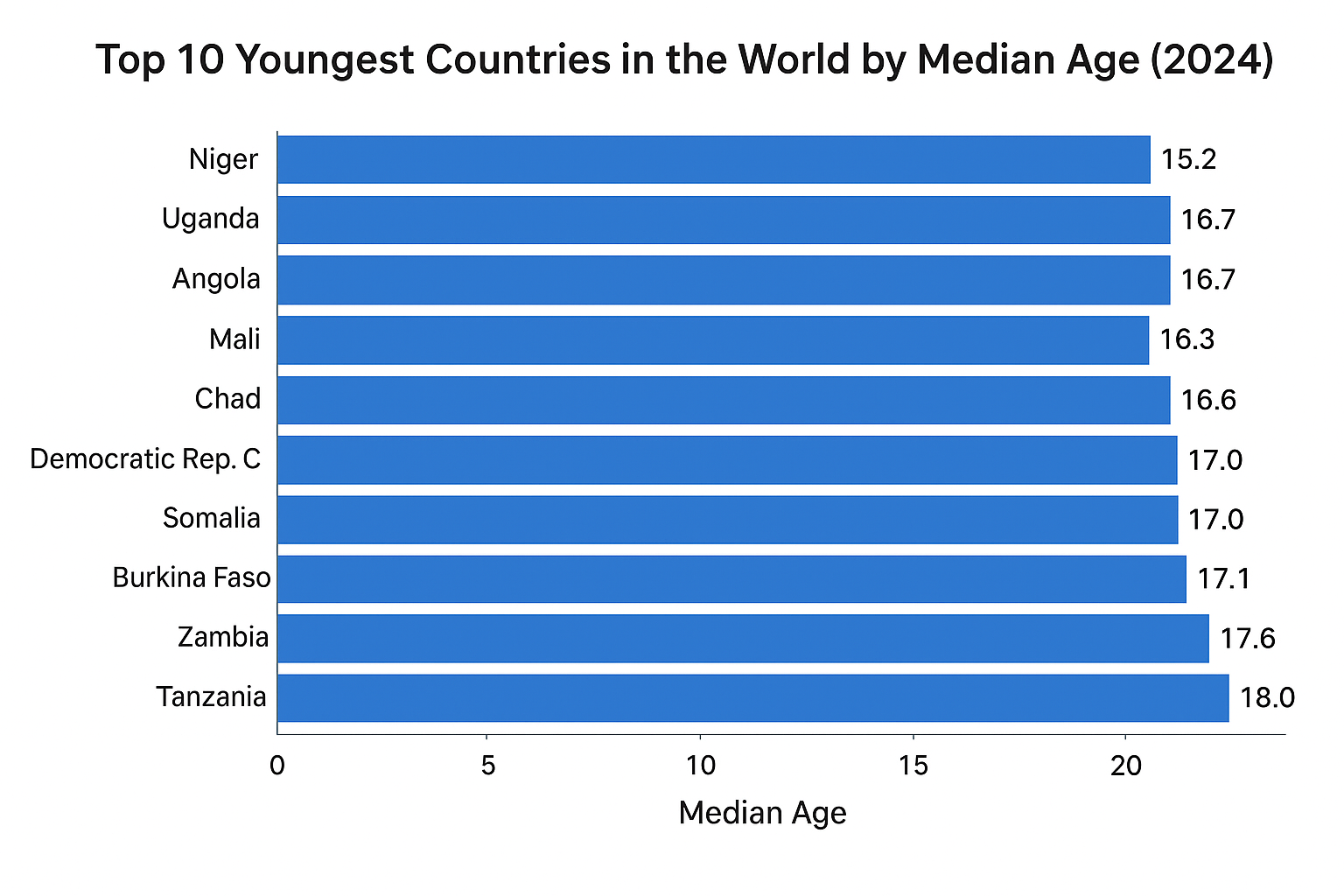
Top 10 (Ranked by Median Age from Low to High, Approximate 2024 Values)
Niger — Median Age ≈ 15.2 years
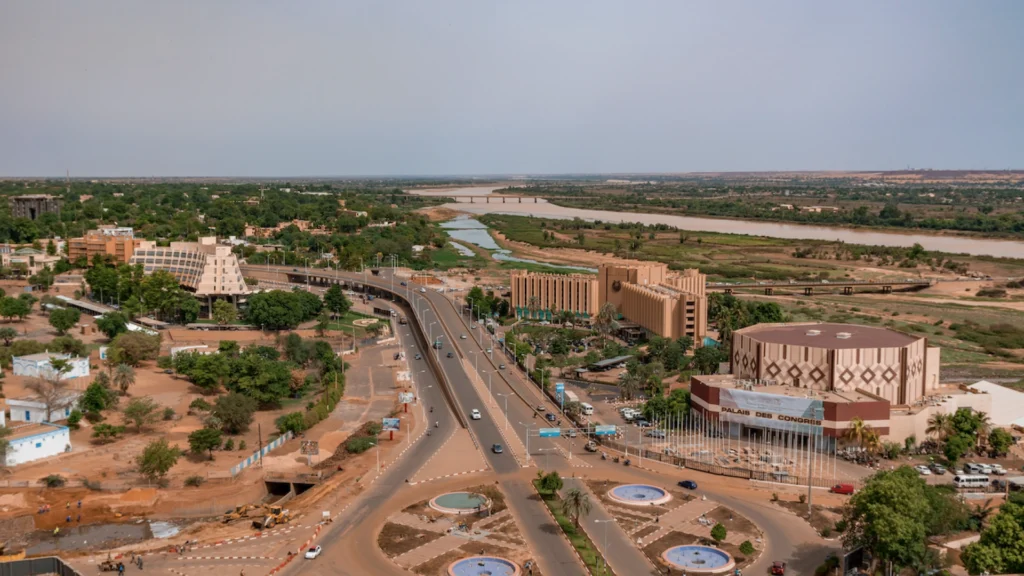
A youthful surge at the heart of Africa. Niger’s high birth and fertility rates have long resulted in children and youth constituting a very large proportion of the population. For the next decade, education and employment are paramount issues.
Uganda — Median Age ≈ 16.7 years
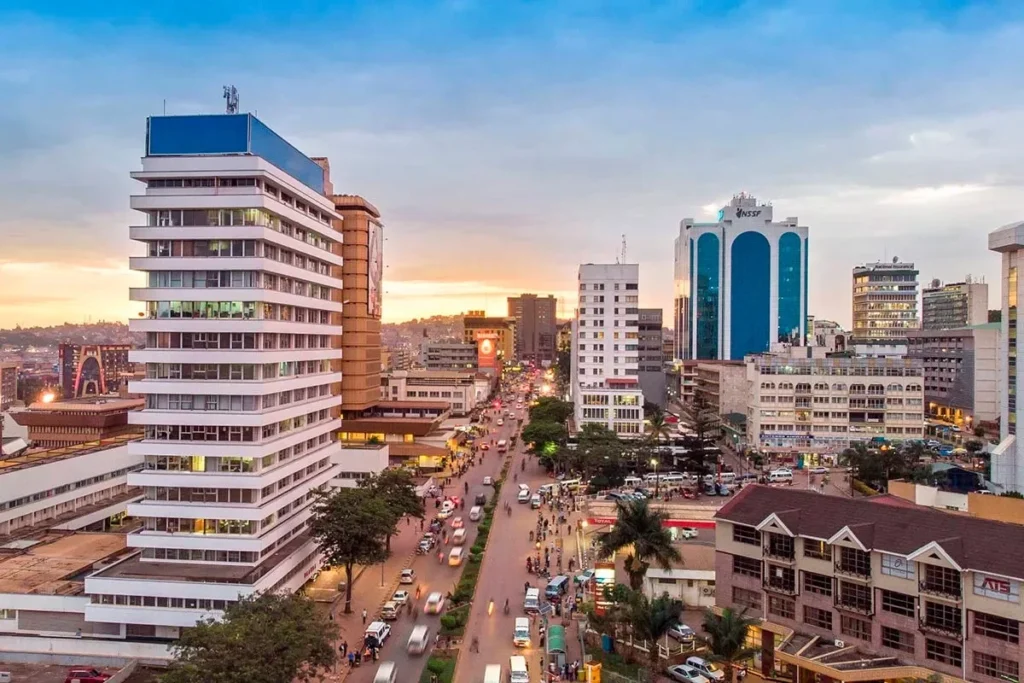
A youth-dominated population brings vitality; but it also creates sustained demand for schools, primary healthcare, and youth employment.
Angola — Median Age ≈ 16.7 years
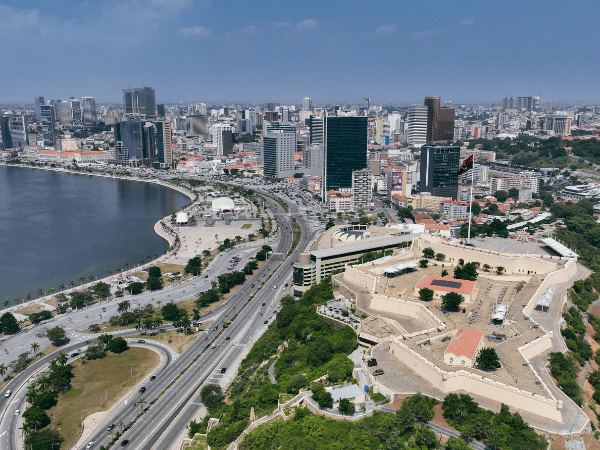
A resource-based economy coexists with a young population; if resource revenues can be effectively channeled into education and industrial absorption, the country has the opportunity to reap a “demographic dividend.”
Mali — Median Age ≈ 16.3 years
Clearly youthful, but also faces challenges related to regional security, coverage of basic services, and provision of employment skills.
Chad — Median Age ≈ 16.6 years
High proportion of young people, with climate and infrastructure issues significantly impacting youth livelihoods.
Democratic Republic of the Congo — Median Age ≈ 17.0 years
Large population, rich in resources, but governance and public service challenges affect the development opportunities for the younger generation.
Somalia — Median Age ≈ 17.0 years
The rural-urban distribution and context of conflict present unique challenges for youth education and economic integration.
Burkina Faso — Median Age ≈ 17.1 years
Similar to most sub-Saharan African countries, the youthful demographic places high demands on national policy design.
Zambia — Median Age ≈ 17.6 years
At a critical juncture for transitioning its resource-based economy towards diversification, education and skills training are particularly important.
Tanzania — Median Age ≈ 18.0 years
The young labor force is migrating to cities, making urbanization and employment structure reform core issues for the next decade.
What Does a Youthful Population Mean? Five Key Points
Pressure on, but Opportunity for, the Education System
School expansion, vocational education, and digital skills training become crucial. With the right policies, the young population can be turned into a human capital dividend.
Labor Market and Job Creation
Must be synchronized with industrial development (manufacturing, agricultural processing, service outsourcing) to absorb the large number of youth entering the workforce.
Accelerated Urbanization
Young populations tend to migrate to cities, creating pressure on housing, transportation, and public services. Urban planning needs to be forward-looking.
Political and Social Impact
Countries with a high youth proportion have strong potential for political mobilization; the success or failure of youth policies directly affects social stability.
Health and Fertility Policies
Improving maternal and child health and reducing child mortality will continue to influence population structure; a decline in fertility rates will slowly increase the median age. (Each point is based on long-term population dynamics from UN WPP and regional research conclusions).
Data Sources and Method Notes
United Nations — World Population Prospects 2024 (WPP 2024): Provides country/region median age, population structure, and projections.
Wikipedia — Compilation from “List of countries by median age“ (citing aggregated authoritative data from UN / CIA, etc.). Used for cross-referencing and creating readable country tables.
Statista — Reference for visualization from “The world’s youngest countries“ (chart descriptions for 2024 data distribution, provided for background context).
Important Note: Different sources (UN WPP, CIA, national statistics) may have slight variations (0.1–1 year) in the specific “median age” value, depending on the survey method and update cycle. This article uses approximate values from UN WPP and public compilations for readability.