
Top 10 Countries with Spiciest Food
Contents
Introduction
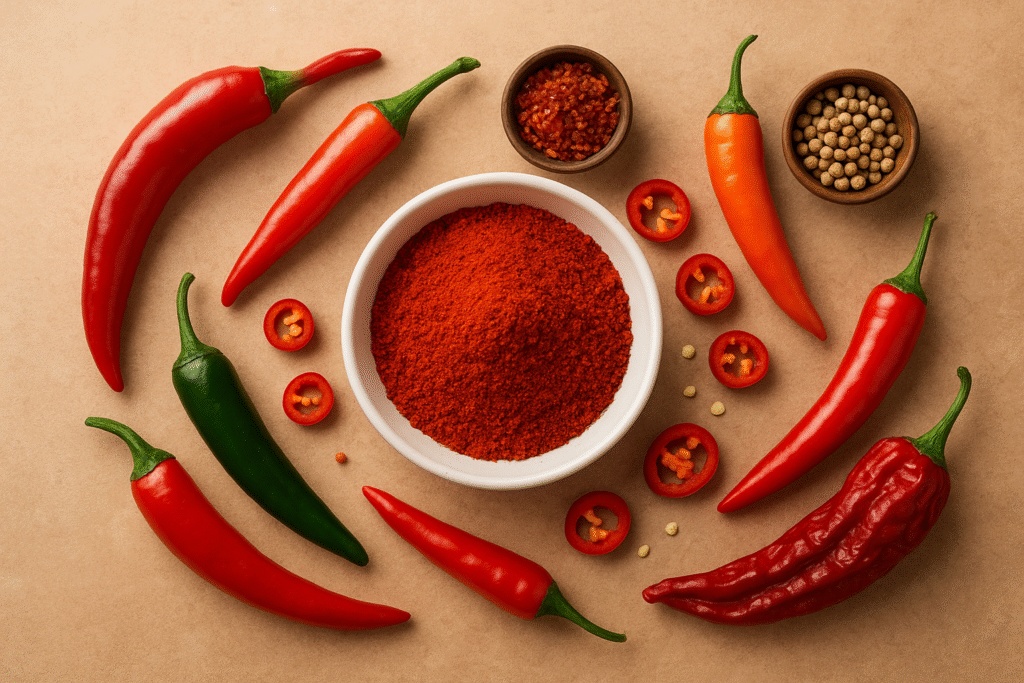
“Spiciness” is a cultural expression: it can represent climate (tropical regions are more conducive to growing chili peppers), history (trade routes brought spices), religious and medical traditions (spices were used for preservation and healing), and is even part of daily flavor and identity. This article synthesizes popular rankings and food media to compile a consensus-based Top-10 list, explaining why the food in these countries is so spicy and what this means for travelers and locals.
Data Explanation (Methodology)
Source Compilation
This ranking integrates multiple popular lists and authoritative food media sources (e.g., WorldPopulationReview’s “Spicy Food Countries” summary, Eater’s “12 Spiciest Cuisines”, Top-10 lists from Munchery and Worldwide Interpreters, and user/review aggregators like TheTopTens). These sources determine “spiciness intensity” based on cultural traditions, typical dishes, and common ingredient usage.
Synthesis Method
The ranking is not determined by a single list; it uses a combination of frequency of appearance and expert/media weighting to generate a consensus score (ConsensusScore), giving higher scores to countries that appear frequently in authoritative/long-standing rankings (for illustrative purposes, not a strict statistical model).
Representation
The article includes a horizontal bar chart displaying the consensus Top-10 countries and their “Consensus Score.” Each country profile in the following section provides a brief explanation across three dimensions (representative dishes, source of spiciness, dining habits/risk tips). The chart is available for download (see below).
Charts
Consensus Top-10 — Countries with the Spiciest Food (Illustrative)
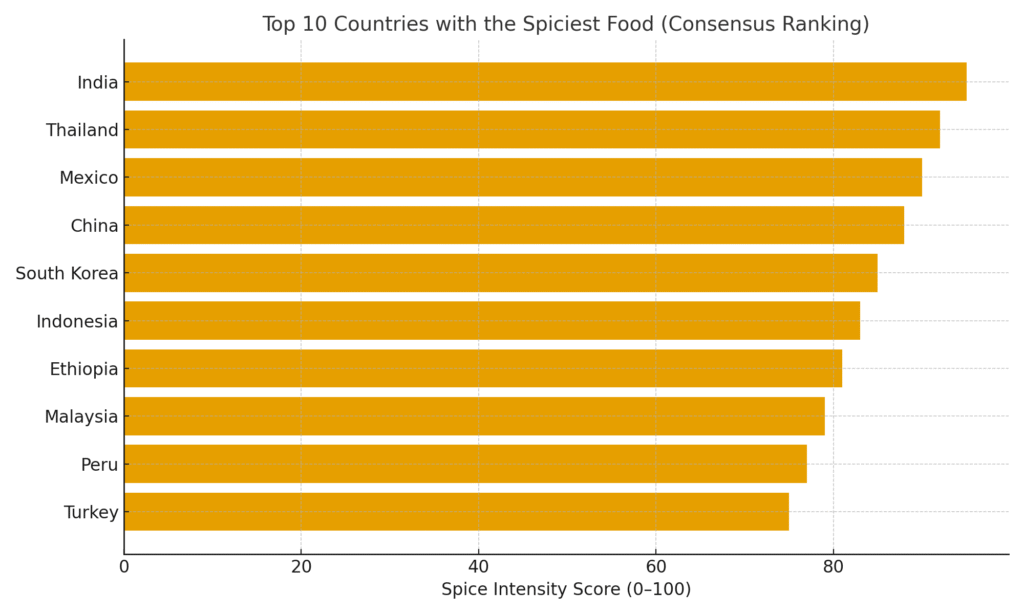
Ranking (Consensus Top-10, Aggregated by Frequency and Media Weight)
- India — Tradition of chilies, pepper, various dried spicy spices, and chili oil.
- Thailand — Fresh bird’s eye chilies, spicy fish sauce, green/red curries, etc.
- Mexico — Variety of chilies (habanero, jalapeño, chipotle) and hot sauce culture.
- China (Sichuan / Hunan, etc.) — “Mala” flavor from Sichuan pepper + chili, emphasis on sensation and aroma. Eater
- South Korea — Gochujang (chili paste) and fermented spicy dishes (kimchi).
- Nigeria — Prevalent use of chili peppers in West African cuisine; many soups and stews are spicy.
- Ethiopia — Berbere spice mixture (contains chili) provides heat to many main dishes.
- Jamaica — Extremely hot varieties like Scotch bonnet form the base of jerk seasoning.
- Malaysia — Combination of chilies, curry, and coconut milk; spiciness common in Southeast Asian cuisine.
- Indonesia — Rich culture of sate and chili sauce (sambal).
Explanation: Different lists vary slightly in order, but the above countries appear frequently in most authoritative rankings and long-term discussions, forming the “Consensus Top-10”.
Country Profiles
India
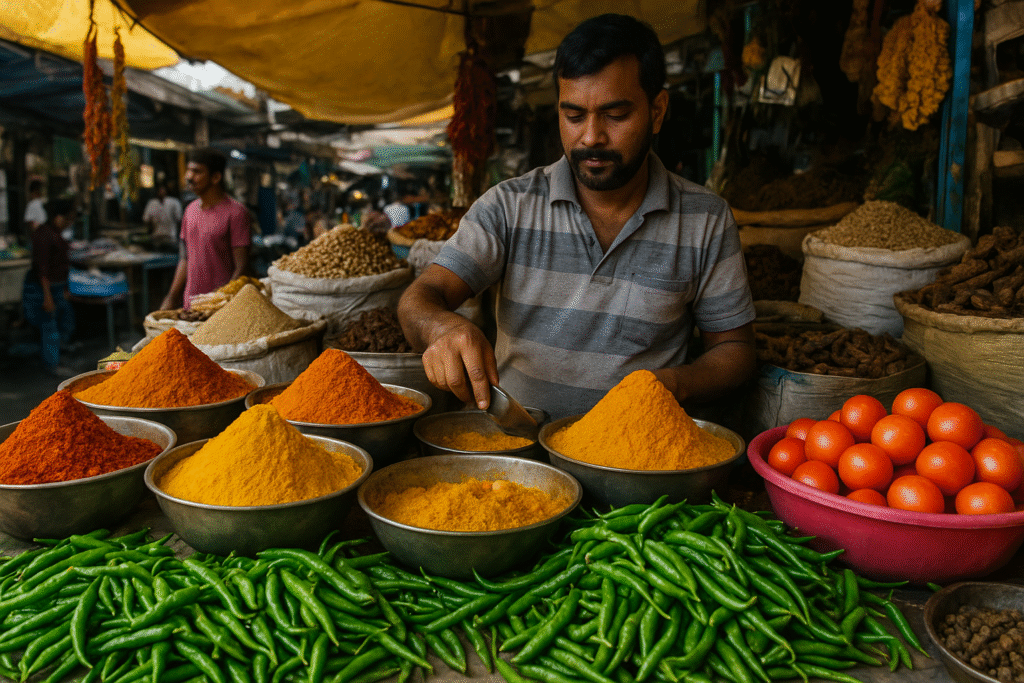
Representative Dishes: Vindaloo, Biryani, various curries.
Source of Spiciness: Dried chilies, green chilies, chili oil, mixtures of chilies and spices (e.g., garam masala).
Tips / Notes: Significant regional variations (South India is generally spicier than North India); adaptable, you can request “mild” at restaurants. Eater
Thailand
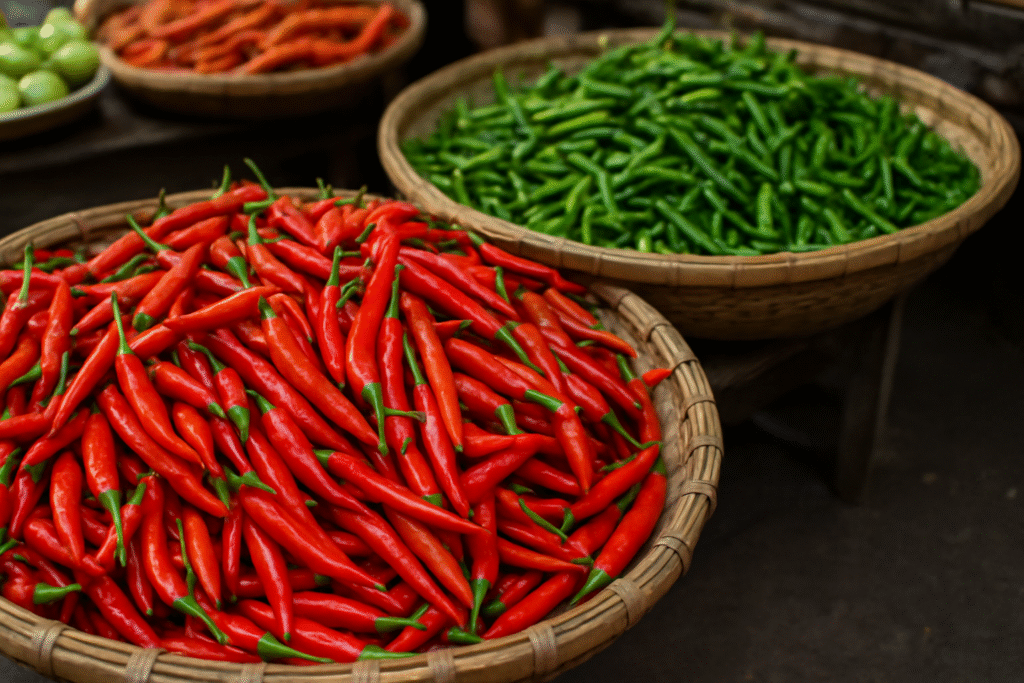
Representative Dishes: Tom Yum, Som Tam (Papaya Salad), various curries.
Source of Spiciness: Bird’s eye chili, chili sauces, spicy fish sauce mixtures.
Tips / Notes: Street stalls are often spicier; restaurants can adjust spice level upon request.
Mexico
Representative Dishes: Salsa, Mole, Tacos with hot salsas.
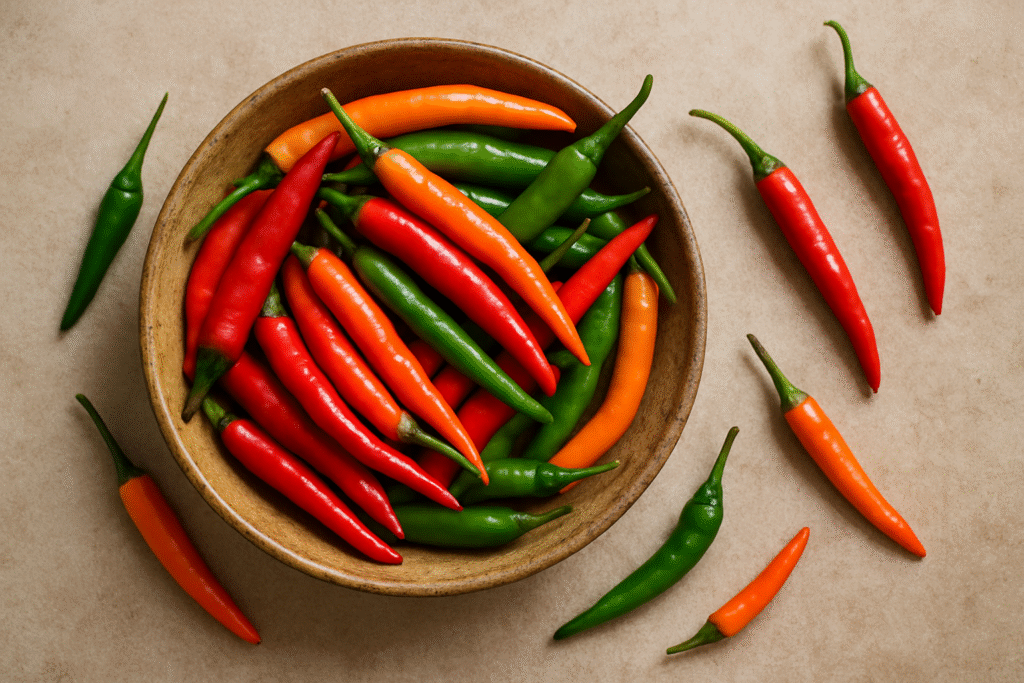
Source of Spiciness: Fresh and smoked chilies like habanero, jalapeño, chipotle.
Tips / Notes: Chili usage varies greatly by region; flavors differ between Mexico City and Yucatán.
China (Sichuan / Hunan)
Representative Dishes: Mala Hot Pot, Kung Pao Chicken, Steamed Fish Head with Chopped Chilies.
Source of Spiciness: Chilies + Sichuan pepper (creating the “numbing” sensation), chili oil is common.
Tips / Notes: If unaccustomed to the “numbing” sensation, choose Sichuan variants with less oil and spice. Eater
South Korea
Representative Dishes: Kimchi, Tteokbokki, Spicy Stews (Jjigae).
Source of Spiciness: Gochujang (chili paste), Gochugaru (chili powder).
Tips / Notes: Spice level can often be adjusted; fermented flavor combined with spiciness is characteristic.
Nigeria
Representative Dishes: Pepper Soup, Jollof Rice (spicy version).
Source of Spiciness: Abundant fresh and dried chilies; spices and chilies often used together.
Tips / Notes: West African dishes often have intense spiciness; travelers should adapt gradually.
Ethiopia
Representative Dishes: Doro Wat, Berbere-spiced stews.
Source of Spiciness: Berbere spice mixture (contains chili, turmeric, cinnamon, etc.).
Tips / Notes: Heat is deeply integrated with spices, offering rich layers of flavor.
Jamaica
Representative Dishes: Jerk Chicken, Pepperpot Soup.
Source of Spiciness: Extremely hot chilies like Scotch bonnet.
Tips / Notes: Tropical climate and history of chili cultivation contribute to a unique spicy culture.
Malaysia
Representative Dishes: Nasi Lemak (with spicy sambal), Asam Pedas.
Source of Spiciness: Sambal, curry paste (often containing plenty of chili).
Tips / Notes: Multi-ethnic fusion; Malay, Chinese, and Indian influences offer varied flavors.
Indonesia
Representative Dishes: Sambal, Rendang (spicy version).
Source of Spiciness: Various local chilies and cooking methods (frying, stir-frying, grinding).
Tips / Notes: Sambal is a common condiment; spice level can usually be adjusted upon request.
Future Trends (Brief)
Globalization and Spice Spread: With immigration and online food culture, many non-traditionally “spicy” countries are adopting spicier cuisines (e.g., some regions in the US).
Commercialization of Heat: Extreme spiciness is being commercialized (e.g., Carolina Reaper challenges, industrial hot sauces), but this differs from the “consistent spiciness” of traditional culinary cultures.
Health and Adaptation: Public tolerance for chili and its health effects (e.g., on metabolism) influence how the catering industry adjusts strategies in different markets.
Q&A (Frequently Asked Questions)
Q: Which country is the “spiciest”?
A: There is no absolute “spiciest” country, as “spiciness” involves both intensity (Scoville) and perceptual dimensions (e.g., “numbing” vs. “pure heat”). Most rankings list India, Thailand, Mexico, and China (Sichuan) as the most common highly spicy countries.
Q: I can’t handle spice well. How can I try these cuisines?
A: Request “mild” when ordering locally, or try side dishes and beverages first to mitigate the heat (e.g., yogurt, coconut milk, rice). Many restaurants can adjust the spice level upon request.
Conclusion
Chilies and spices are part of the world’s culinary culture; they can bring joy and test courage. May this list help you better understand local food cultures during your travels, respect regional differences, and happily explore the story behind each spicy dish.
Data Sources
WorldPopulationReview — Spicy Food Countries World Population Review
Eater — The World’s 12 Spiciest Cuisines Eater
Munchery — The Ten Spiciest Dishes in the World munchery.com
Worldwide Interpreters — Top 10 Countries with Spiciest Food Worldwide Interpreting & Translation
TheTopTens / other crowd lists — thetoptens.com