
Top 10 Dangerous Countries in the World
Contents
- 1 Introduction
- 2 Global Ranking of the Most Dangerous Countries (2025, primarily based on GPI)
- 3 Interpretation and Warm Perspective
- 4 Chart: Overview of Danger Dimensions for Ranked Countries
- 5 Why This List Is Worth Reading?
- 6 Country Analysis
- 7 Warm Conclusion: What Can We Do?
- 8 Conclusion
- 9 Data Sources
Introduction
In our world, there are many corners radiating the brilliance of life and the warmth of daily life; but there are also places shrouded by prolonged warfare, political instability, and lack of security. This article intends, through a warm and truthful narrative, to bring you closer to the list of the most dangerous countries, not to flaunt fear, but to understand the social structures, humanitarian crises, and opportunities for peace behind the suffering. We have combined the latest data, based on the Global Peace Index (GPI) released by the Institute for Economics & Peace (IEP) and other reliable sources, to review the countries with the most severe global security situations, and to explore why they are prone to fall into the cycle of danger, and whether we can contribute a glimmer of light to peace.
Global Ranking of the Most Dangerous Countries (2025, primarily based on GPI)
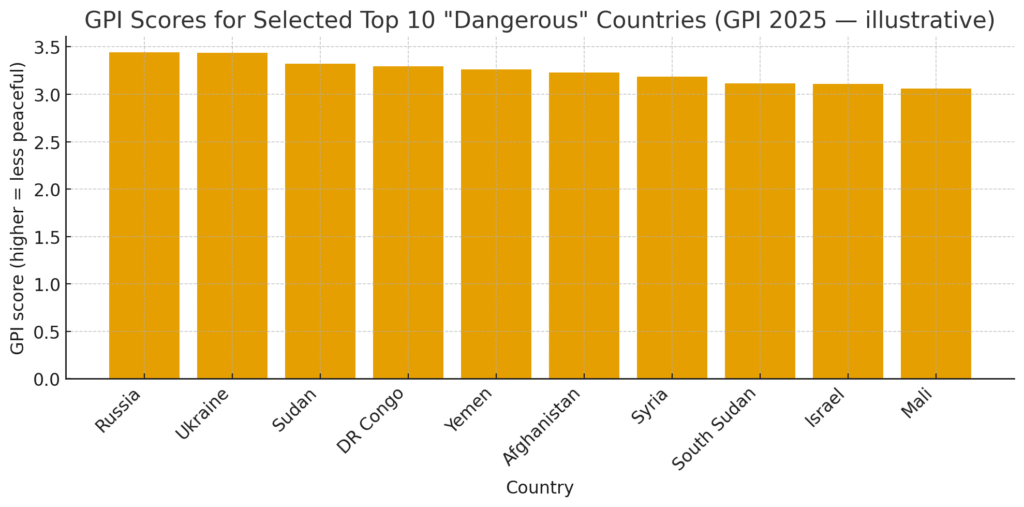
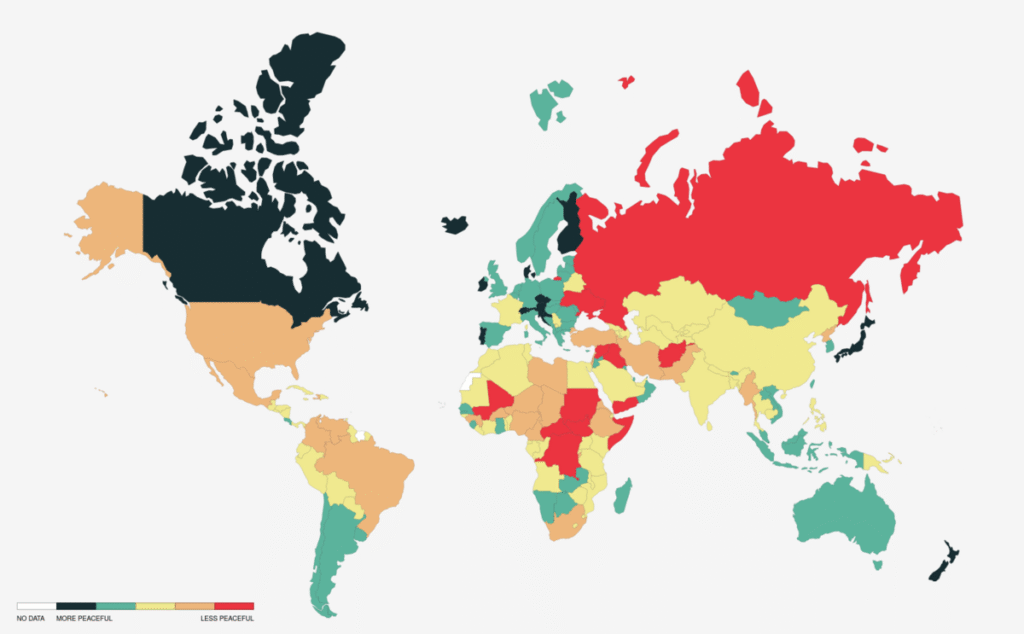
The table below is compiled based on 2025 GPI data and other sources (where a higher GPI score indicates “less peaceful” / more dangerous):
| Rank | Country | GPI Score* | Main Causes of Danger |
|---|---|---|---|
| 1 | Russia | 3.441 | War with Ukraine, intertwined with internal authoritarianism and international sanctions. |
| 2 | Ukraine | 3.434 | Full-scale war causing infrastructure destruction and mass displacement. |
| 3 | Sudan | 3.323 | Conflict between military and militias, severe humanitarian crisis. |
| 4 | Democratic Republic of the Congo (DR Congo) | 3.292 | Rebellion in the east, weak government control, and lack of security. |
| 5 | Yemen | 3.262 | Years of civil war, famine, and collapsed infrastructure. |
| 6 | Afghanistan | 3.229 | Domestic terrorist attacks under Taliban rule, poverty, and oppression of women. |
| 7 | Syria | 3.184 | Ongoing civil war, large-scale displacement, and delayed reconstruction. |
| 8 | South Sudan | 3.117 | Ethnic conflicts persist despite peace agreements, exacerbated by flooding and fragility. |
| 9 | Israel | 3.108 | Regional warfare, risk of terrorist attacks, and political instability. |
| 10 | Mali | 3.061 | Spread of extremism, weak government authority, and loss of security control. |
* Scores are partial excerpts from the latest publicly available GPI data.
Interpretation and Warm Perspective
1. Common Factors Behind Danger
Ongoing Conflict and War: Almost all countries on the list are deeply entrenched in internal or external wars, such as the Russia-Ukraine war.
Fragile Governance: Governments are unable to effectively control their territories, with weak rule of law and rampant corruption.
Humanitarian Crises and Infrastructure Collapse: In countries like Yemen and Syria, extensive infrastructure has been destroyed, and healthcare and education systems are struggling to function.
Deep Economic Hardships: Poverty accompanies conflict, making recovery even more difficult.
Out-of-Control Security Cycle: Conflict breeds violence, which in turn weakens governance capacity, creating a vicious cycle.
These factors combined are like a storm of exhaustion, scattering the normal lives of people, and even the simple act of stepping out the door carries the shadow of danger.
2. Courage and Hope Coexist
Despite the harsh environment, countless people are striving to rebuild, heal, and move forward. For example:
- In eastern DR Congo, local organizations and international aid agencies are working to persuade rebel groups to lay down their arms.
- In South Sudan, some communities are attempting to emerge from ethnic conflicts through local reconciliation and education programs.
- Although the Israel-Palestine region faces ongoing conflict, civil society groups are promoting cross-cultural dialogue.
These small but real human efforts give us reason to believe in peace and change. Even in the most dangerous countries, hope still exists.
Chart: Overview of Danger Dimensions for Ranked Countries
The chart below, in a radar/spider web format, summarizes the relative status of selected countries across three dimensions: Safety and Security, Ongoing Domestic and International Conflict, and Militarization (referencing the three sub-dimensions of the GPI).
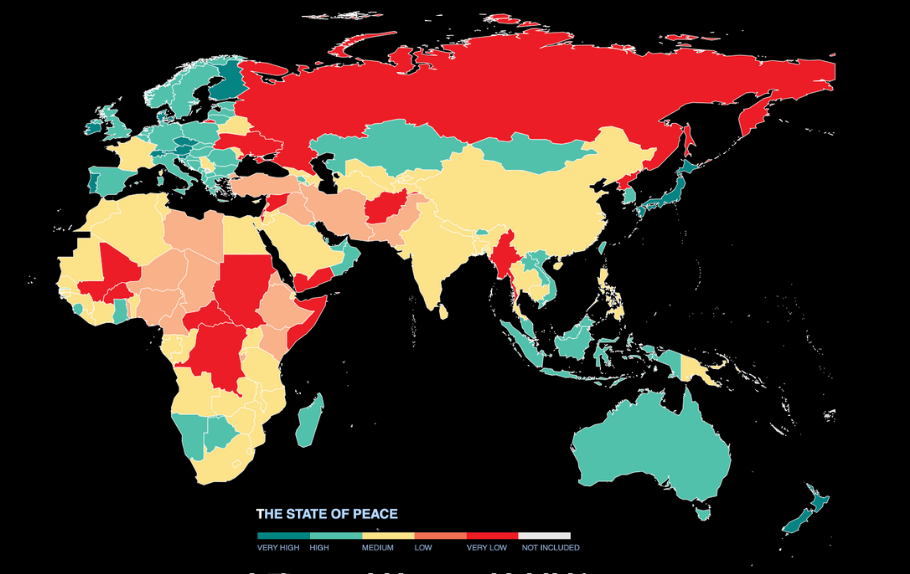
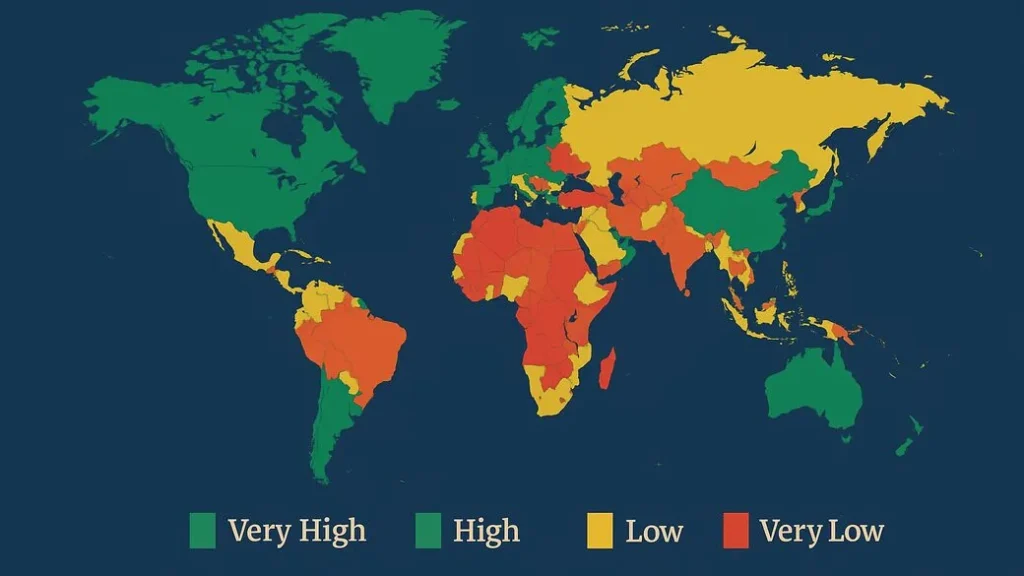
Note: The chart is based on public summaries and visualized data; for specific values, please refer to the IEP report and third-party analyses.
Why This List Is Worth Reading?
Learning from Risk: Understanding the dangers in these countries is not just about knowing where not to go, but about comprehending how conflict, extreme poverty, and security collapse are interconnected.
Enhancing Empathy: When we see a child displaced by floods in South Sudan or a family in Yemen forced to relocate due to war, we can more genuinely appreciate the value of peace.
Stimulating Reflection: We may not be able to immediately change a country’s destiny, but we can change our attitudes: making more cautious travel choices, supporting humanitarian aid organizations, and paying closer attention to global security issues.
Reminding Ourselves: Even in relatively safe places, we have a responsibility to maintain social peace, because upheavals anywhere in the world can affect us through refugee flows, economic chains, or the spread of conflict.
Country Analysis
1. Russia
Conflict/Security Dimension: Russia faces heightened international sanctions, surging military expenditures, and prolonged frontline engagement due to its full-scale aggression against Ukraine. Both domestic and international security risks have increased, with escalating threats at borders, from airstrikes, cyber warfare, and drone attacks.
Humanitarian/Social Dimension: The war has resulted in significant casualties and forced migration. Domestically, there is declining social trust, increased burdens on military families, and a rising proportion of youth enlisting. The social security and healthcare systems are under strain.
Economic/Infrastructure Dimension: The economy is pressured by sanctions, military spending, and energy exports. Civilian infrastructure (e.g., aviation, transport, cyber) has been damaged or forced to adapt. Long-term infrastructure repair and public livelihood investments have been weakened.
2. Ukraine
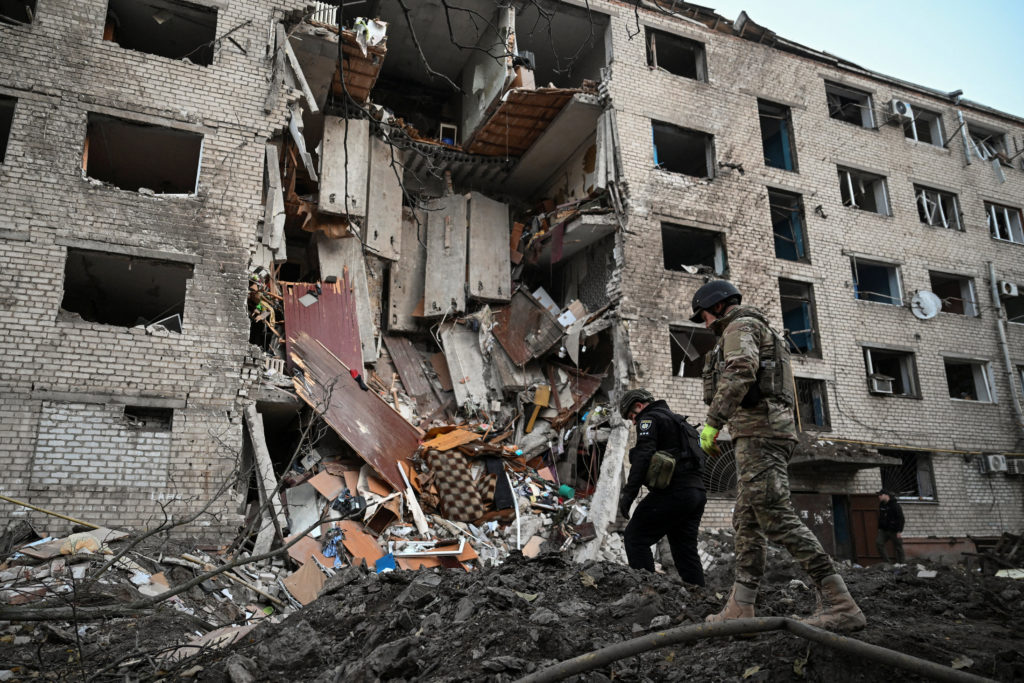
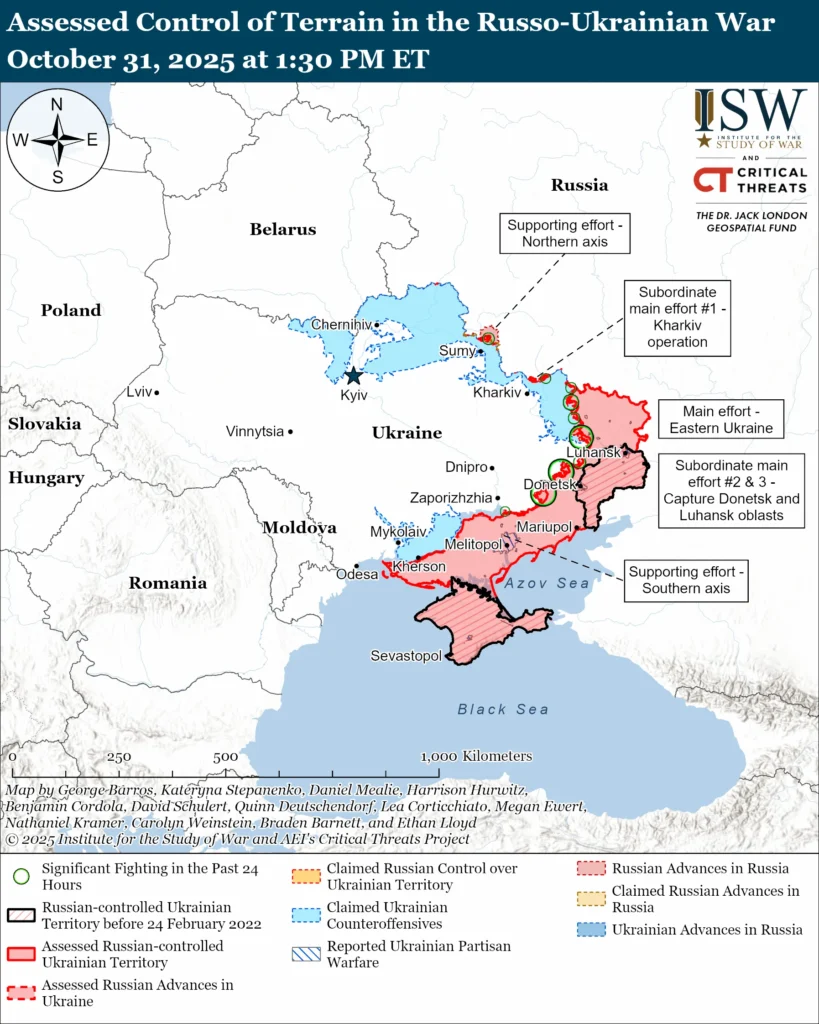
Conflict/Security Dimension: Since 2022, Ukraine has been in a state of large-scale war, with a constantly shifting frontline and frequent attacks on infrastructure.
Humanitarian/Social Dimension: Approximately 12.7 million people required humanitarian assistance in 2025. Access to food, water, healthcare, housing, and security is severely compromised. Societal psychological pressure, displacement, and interrupted education for children have become commonplace.
Economic/Infrastructure Dimension: Vast infrastructure has been destroyed, damaging energy, power, transport, and education systems. The reconstruction task is immense, with estimates running into hundreds of billions of dollars.
3. Sudan
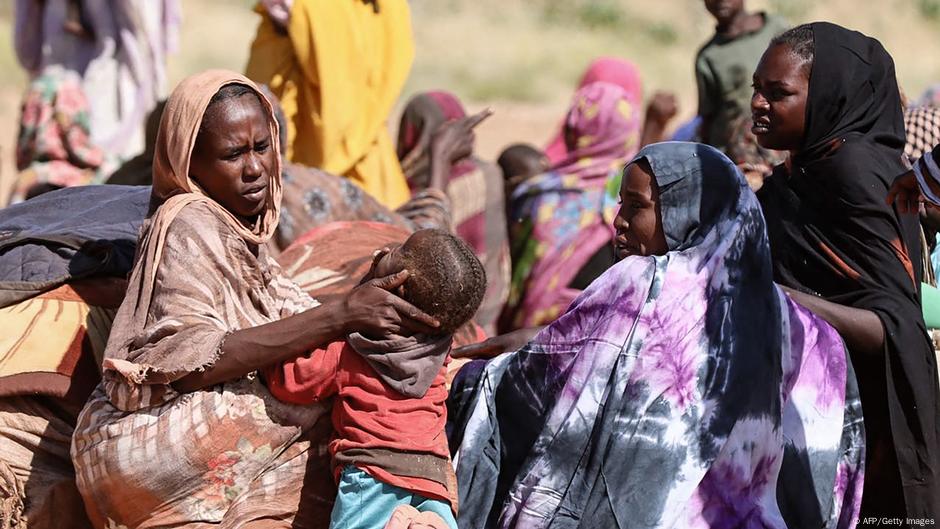
Conflict/Security Dimension: Sudan has long experienced armed conflict, ethnic disputes, and frequent political transitions. The security situation is fragile, with frequent violent incidents.
Humanitarian/Social Dimension: The lives of the population are highly unstable, with significant need for humanitarian aid and large numbers of displaced persons. Social service systems are extremely limited.
Economic/Infrastructure Dimension: The economy is damaged by conflict, international sanctions, and governance failures; infrastructure maintenance and public services are severely lacking.
4. Democratic Republic of the Congo (DR Congo)
Conflict/Security Dimension: Rebel militias are active in the eastern regions, state control is weak, and the public security environment is severe.
Humanitarian/Social Dimension: A large number of civilians are affected by armed conflict, with lives and education disrupted, and a severe shortage of medical resources.
Economic/Infrastructure Dimension: Despite abundant mineral resources, the economy faces difficulties due to security issues, poor governance, and infrastructure. Basic services like transport and sanitation are weak.
5. Yemen
Conflict/Security Dimension: Civil war has persisted since 2014, intertwined with external intervention, blockades, and airstrikes.
Humanitarian/Social Dimension: Over 17 million people face severe food insecurity, with a critical child nutrition crisis. Medical facilities are damaged, disproportionately affecting women and children.
Economic/Infrastructure Dimension: Real GDP per capita has fallen by approximately 58% since 2015. High inflation, currency devaluation, and economic fragmentation are prevalent. Infrastructure is severely damaged, and reconstruction has nearly stalled.
6. Afghanistan
Conflict/Security Dimension: The situation remains volatile domestically and internationally under Taliban rule, with persistent terrorist attacks and ethnic/regional conflicts.
Humanitarian/Social Dimension: Access to education and employment for women and girls is severely restricted, and healthcare services are extremely weak.
Economic/Infrastructure Dimension: A sharp reduction in international aid, high unemployment, and extremely fragile infrastructure (transport, water, electricity, sanitation).
7. Syria
Conflict/Security Dimension: The multi-party civil war involves complex external intervention. While hostilities have decreased in some areas, overall security is far from restored.
Humanitarian/Social Dimension: Massive displacement of civilians, interrupted education for children, and a destroyed healthcare system.
Economic/Infrastructure Dimension: Years of war have nearly destroyed urban infrastructure, reconstruction costs are extremely high, and the economy is in long-term stagnation.
8. South Sudan
Conflict/Security Dimension: Despite an existing peace agreement, ethnic conflicts, political instability, and armed demarcations have not fully ended.
Humanitarian/Social Dimension: A large population faces famine, displacement, and a lack of public services, with severe lag in education and healthcare.
Economic/Infrastructure Dimension: As a newly established nation, the economic structure is extremely weak, infrastructure is almost starting from zero, and development faces immense challenges.
9. Israel
Conflict/Security Dimension: Situated in a complex conflict zone in the Middle East, with frequent border tensions, terrorist attacks, and military operations, leading to ongoing security risks.
Humanitarian/Social Dimension: Despite strong state governance capacity, civilians are still impacted by conflicts, such as attacks, rockets, and blockades; societal psychological burden is significant.
Economic/Infrastructure Dimension: High levels of economic and technological development, and advanced infrastructure, but war expenditures and security risks can undermine long-term investment and public services.
10. Mali
Conflict/Security Dimension: Proliferation of extremism in the Sahara/Sahel region, weak government control, and a severe security environment against a backdrop of military coups.
Humanitarian/Social Dimension: Civilian lives are threatened by extremist groups, education and medical services are interrupted, and refugee and internal displacement phenomena are significant.
Economic/Infrastructure Dimension: Weak infrastructure, lacking in transport, energy, water resources, etc.; economic development is constrained by security issues, with a high poverty rate.
Warm Conclusion: What Can We Do?
Transparent Information: Follow data reports like the GPI to understand that danger is not just about war, but also includes institutional collapse, social distrust, and infrastructure decay.
Support Aid: Choose credible humanitarian organizations, not only by donating but also by participating in projects that promote education, health, and community rebuilding in dangerous countries.
Safe Travel: If planning to visit or transit through high-risk areas, be sure to check the latest travel advice and respect local culture and environment.
Promote Peace: Share understanding and empathy in your community, rather than fear and labels. Peace is not passively waited for; it is everyone’s responsibility.
Conclusion
The list of dangerous countries reminds us that many cracks still extend in the human world—but it also reminds us that peace and reconstruction are not unattainable ideals. Those who persist in living through daily crises and rebuild smiles from the ruins are the role models we can learn from. May we not only see the most dangerous as a warning, but also take steps toward peace as action.
Let us carry this truth and warmth to continue caring globally, thinking symbiotically, and embracing hope.
Data Sources
Global Peace Index 2025 — Vision of Humanity / Institute for Economics & Peace. Vision of Humanity
ACLED Conflict Index / Conflict Watchlist (ACLED). ACLED
UN OCHA — Yemen Humanitarian Needs and Response Plan 2025; Sudan Humanitarian Needs and Response Plan 2025. unocha
Human Rights Watch — World Report 2025 country chapters. HRW
Global Humanitarian Overview 2025 (UN). unocha